Finding a warm, ultralight sleeping bag can transform cold-weather nights into safer, more comfortable outdoor adventures. The following selections lean toward high warmth-to-weight ratios, compact packs, and reliable performance in chilly environments. Each option is designed to minimize bulk while maximizing insulation, so you can hike deeper into the cold with confidence.
The table below highlights five top picks from reputable brands, focusing on temperature performance, weight, and packability to help you compare quickly.
| Product | Brand | Approximate Temp Rating | Weight | Packed Size |
|---|---|---|---|---|
| QEZER 0 Degree Sleeping Bag (650 Fill Power) | QEZER | -4°F to 14°F | ~4.5 lbs | ~17.3″ x 10.2″ |
| iClimb 3M Thinsulate Mummy Bag | iClimb | Warm 41°F / 5°C (comfort) | Varies by model | Compact, lightweight |
| Naturehike 0 Degree Ultralight Down Bag | Naturehike | 0°F Comfort / 18°F Extreme | Lightweight | Compact |
| ATEPA 0 Degree Down Mummy Bag | ATEPA | Comfort 43°F / Limit 34°F / Extreme 6.8°F | ~2.2 lbs | 13.8″ x 7.5″ |
| Therm-a-Rest Hyperion 32F Ultralight Bag | Therm-a-Rest | 32°F (0°C) | ~18 oz | Very compact |
QEZER 0 Degree Sleeping Bag for Adults
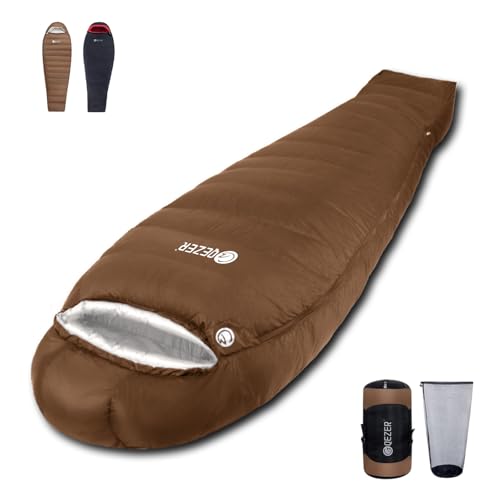
The QEZER 0 Degree Sleeping Bag is designed for very cold nights with 3.3 pounds of 650-fill premium white duck down. It claims comfort down to -4°F and feature-rich construction to reduce heat loss. Vertical baffles help retain warmth, and a windproof zipper design minimizes drafts. The fabric is a 400T nylon blend intended to handle damp conditions, and the upgraded version emphasizes a larger, more spacious interior with an ergonomic saddle-shaped neck and footbox. Weighing about 4.54 pounds, it packs down to roughly 17.3″ by 10.2″, balancing warmth with backpacking portability.
Key features to consider:
– 650-fill power down for warmth in cold weather
– Vertical baffles for heat retention and reduced cold spots
– Windproof zipper design to curb convection
– Upgraded version with a more spacious interior and ergonomic shapes
– Packable and lightweight for a sub-20-inch carry in a backpack
iClimb Thinsulate Ultralight Mummy Bag
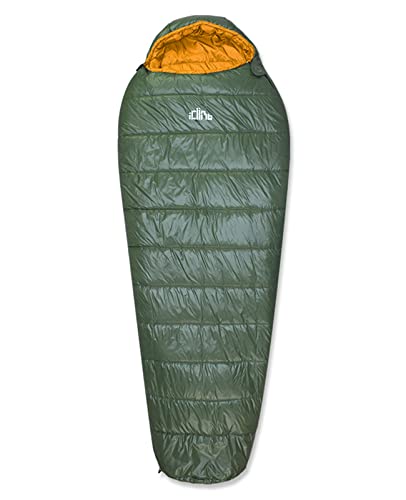
The iClimb bag emphasizes 3M Thinsulate insulation to trap body heat while maintaining moisture management. It’s designed to be featherless and eco-friendly, avoiding traditional down. The shell uses 20D nylon fabric that’s soft, durable, and windproof, with a top sleeve to keep a pillow in place. A 3D footbox aims to keep feet comfortable after a long day outdoors. This bag is tailored for 3-season use with a warm interior and a draft collar to minimize heat loss. Comfort reliability is pegged around 41°F (5°C) as a general rating, with a 32°F (0°C) limit depending on individual metabolism and layering.
Important considerations:
– Synthetic insulation provides moisture tolerance and quick-drying benefits
– Lightweight, compact construction but warmth rises with layering
– 3D footbox and draft collar reduce cold spots
– Internal pillow sleeve adds comfort without bulk
Naturehike 0 Degree Ultralight Down Bag

Naturehike offers a 0-degree capable ultralight down bag with 650 fill power down and RDS-certified sourcing. It emphasizes a compact, envelope-style fit with a neutral footprint that preserves warmth while staying streamlined for backpacking. The design includes a neck collar and wind barriers to cut cold air intrusion, and it highlights traceable down from an ethical supply chain. This model is positioned toward cold-weather outings where a balance of warmth, weight, and compressibility is essential.
ATEPA Down Mummy Sleeping Bag (0 Degree)

ATEPA’s 0-degree mummy bag uses 700-fill down paired with recycled 15D nylon. It’s ISO EN tested, with clear comfort and limit temperatures (43°F / 34°F) and an extreme rating of around 6.8°F. The bag relies on a 3D box-baffle construction, an insulated hood, and a draft collar to keep heat from leaking. It weighs about 2.2 pounds and compresses efficiently to 13.8″ x 7.5″ for backpacking or minimalist trips. The design aims to minimize cold spots around shoulders and hips for dependable cold-weather performance.
Therm-a-Rest Hyperion Ultralight Bag
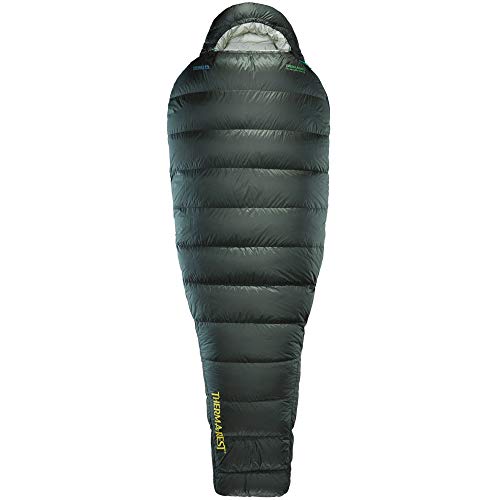
The Therm-a-Rest Hyperion is a feather-light, three-season mummy sleeping bag designed for ultralight enthusiasts. It weighs roughly 18 ounces, uses high-quality materials for a very small packed size, and features 900-fill Nikwax Hydrophobic Down to stay loftier and drier longer. Box baffling helps maximize loft and reduce cold spots, and the overall construction targets minimal weight without compromising warmth in moderate cold conditions.
Teton Trailhead 20 Degree Sleeping Bag

The TETON Trailhead offers a roomy footbox and a zipper draft tube to reduce cold air entry. Its innovative fill packs down without sacrificing warmth, emphasizing comfort and compressibility for backpacking. The bag balances weight, loft, and warmth for cool nights while maintaining an approachable price point for casual hikers and weekend campers. It’s designed for reliable warmth with a softer liner for a comfortable night’s sleep.
Buying Guide: Key Considerations For Choosing An Ultralight Warm-Weather Sleeping Bag
- Insulation type: Down (higher warmth-to-weight) versus synthetic (better moisture management). If you expect damp nights, synthetic or hydrophobic down can offer advantages.
- Temperature rating: Know your region’s typical lows. Comfort ratings reflect a general experience; extreme ratings indicate survivability in worst-case scenarios.
- Fill power and weight: Higher fill power (e.g., 650 FP) generally means more warmth with less weight, but weight varies with shell material and stitching.
- Shell and lining: Durable, lightweight fabrics like 15D-20D nylon or similar blends balance weight with wind and water resistance. A smooth lining reduces friction and improves comfort.
- Design features: Draft collars, hood design, mummy vs. envelope shapes, neck baffles, and footbox style all impact warmth retention and comfort.
- Packability: Consider packed dimensions and weight in relation to your pack’s volume. Compressibility affects how much you can fit without sacrificing insulation.
- Ethical sourcing: If down is used, verify down origin (e.g., RDS-certified) for animal welfare considerations.
- Intended use: All-season versatility versus targeted winter camping. If you hike in variable weather, a bag with robust weather resistance and a broader comfort range is preferable.
- Care and maintenance: Drying times, washability, and durability under repeated compressions affect long-term performance.
When evaluating options, consider how each bag aligns with your typical trips—whether you prioritize maximum warmth for winter expeditions, or a lighter bag for shoulder-season hiking where microclimate conditions vary. The selections above provide a range of weights, insulations, and pack sizes to fit different cold-weather backpacking strategies while maintaining a focus on ultralight design.