For explorers who prioritize pack weight without sacrificing comfort, ultra-light sleeping bags are essential gear. This guide highlights top lightweight options, focusing on warmth-to-weight, compactness, durability, and ease of use. Each choice below is designed for adventures from summer treks to shoulder-season trips, with clear feature highlights to help you compare quickly and decide which bag fits your next outdoor expedition.
| Product | Brand | Key Feature | Weight | Size Note |
|---|---|---|---|---|
| ECOOPRO Warm Weather Sleeping Bag (Orange) | ECOOPRO | Waterproof exterior, breathable lining, compact envelope design | 1.7 lbs | 83″ x 30″ |
| REDCAMP Ultra Lightweight Sleeping Bag | REDCAMP | 2-way zipper, can pair two bags together | 1.5 lbs | 75″ x 32.5″ |
| Teton LEEF Lightweight Mummy Bag | TETON Sports | Compact mummy design, compression sack included | Not stated | Black & Sage, 0°F option |
| Naturehike Ultralight Down Bag | Naturehike | 650 fill power duck down, compact and lightweight | Unstated | 3-season sizing options |
| ZOOOBELIVES Ultralight Down Bag | ZOOOBELIVES | 32–50°F comfort range, 1.7 lb weight, compact | 1.7 lb | 11″ x 6.7″ sack |
Below you’ll find five focused recommendations that balance weight, warmth, and practicality for American outdoor enthusiasts. Each entry includes a concise look at what makes it a strong ultra-light option, plus a direct link to the product page for quick reference.
ECOOPRO Warm Weather Sleeping Bag
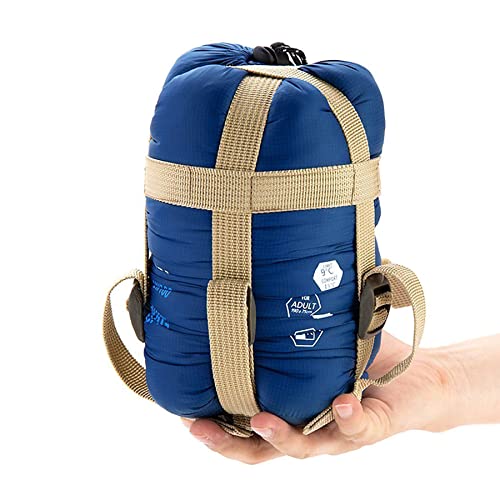
The ECOOPRO warm weather bag uses a nylon outer shell that is waterproof and durable, paired with a breathable 100% polyester lining. It’s designed to maintain comfort in temperatures around 55–60℉, offering a spacious 83″ length and 30″ width to fit most adults. The envelope-style design compresses easily into a small sack, down to about 11″ tall and 1.7 lbs, making it a practical choice for backpackers who want to minimize weight while preserving ease of use. The zipper is described as smooth for convenient entry and exit, with weatherproofing for light rain or damp mornings.
Key points to consider:
- Ultra-light envelope design for compact packing
- Waterproof outer fabric protects against moisture
- Single-temperature comfort target for mild nights
- Adequate space for adults or two children as a backup option
REDCAMP Ultra Lightweight Sleeping Bag
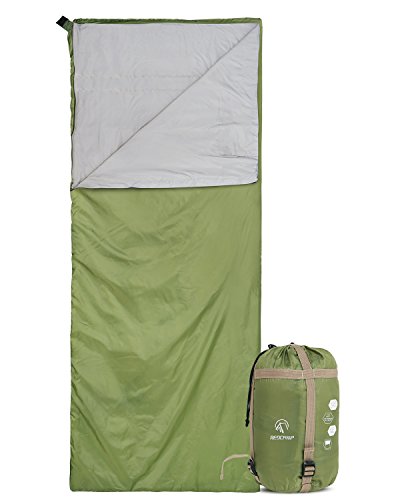
REDCAMP’s bag is built for backpacking with a featherweight design of about 1.5 pounds and a roomy 75″ x 32.5″ footprint. It’s positioned as comfortable up to roughly 68°F (20°C), with a flexible temperature range of 59–77°F. A standout feature is the reversible two-way zipper, enabling two bags to connect for a double-bag or to unzip into a quilt during warmer nights. The bag uses durable fabric designed to hold up to repeated camping seasons while staying easy to roll and compress for minimal pack volume.
Consider these aspects:
- Versatile zipper system for customization
- Lightweight build suitable for summer and mild shoulder seasons
- Compact compression sack helps save space in a small pack
Teton LEEF Lightweight Mummy Bag

The TETON LEEF is designed to deliver comfort without bulk, featuring a mummy profile that packs down well for hiking and camping. The included compression sack helps reduce its footprint in a backpack while maintaining warmth and body contour. This option emphasizes ease of transport and space efficiency, which is critical for longer trips where every ounce counts. The bag is available in configurations including a 0°F cold weather option, catering to more extreme environments, though the standard description centers on lightweight warmth for moderate conditions.
Key considerations:
- Compact mummy design enhances heat retention per ounce
- Includes a compression sack for efficient packing
- Lightweight build suitable for multi-day trips
Naturehike Ultralight Down Sleeping Bag

Naturehike’s ultralight down bag uses 650-fill-power duck down to balance warmth with lightness. It’s designed for 3-season use and offers variable sizing (CW295 medium and CWM400 large) to match different bodies. The down filling provides a fluffy, cloud-like feel and excellent warmth-to-weight ratio. The design includes independent down channels, helping prevent clumping and ensuring even insulation. For travelers seeking a compact bag with premium down, Naturehike provides a versatile option with multiple size choices.
Practical notes:
- 650 fill power duck down for strong warmth-to-weight
- Independent channel design for reliable insulation
- Multiple sizes to fit different torso lengths and preferences
ZOOOBELIVES Ultralight Down Bag
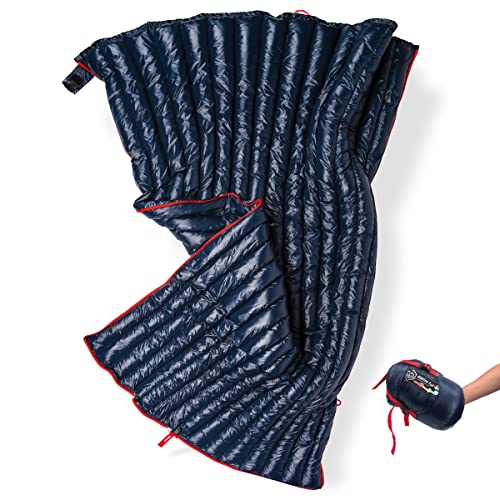
The ZOOOBELIVES Alplive T400 bag is crafted for ultralight backpacking, weighing around 1.7 pounds with a compact 11″ x 6.7″ sack. It targets a comfort range from 32°F to 50°F, making it a strong option for summer into shoulder seasons. The bag is designed to be compressible while maintaining warmth, a hallmark of premium down insulation. The low-profile design helps minimize bulk when stowed in a pack, and its down fill is aimed at consistent performance in variable temperatures during outings.
Considerations include:
- Very compact packing size for backpacking
- Down insulation for high warmth with low weight
- Moderate comfort range suitable for mild to cool nights
Buying Guide: Key Purchase Considerations for Ultra-Light Sleeping Bags
When selecting an ultra-light sleeping bag, weigh the following perspectives to align with your camping style and climate expectations:
- Temperature rating and comfort range: Bags vary from mild-weather to cold-weather options. Consider your typical low-night temps and how you sleep (hot or cold) to choose a bag that won’t underperform or overheat your nights.
- Insulation type and fill power: Down insulation offers superior warmth-to-weight but is more sensitive to moisture and takes longer to dry. Synthetic fills perform better in damp environments and are often more affordable, though heavier.
- Packability and weight: Look for a true lightweight bag with a compact carry size and an included compression sack. Weight and packed dimensions should fit your pack’s constraints without sacrificing comfort.
- Shell and lining materials: A waterproof or water-resistant outer shell helps protect against morning dew and light rain. Breathable linings support temperature regulation and comfort against skin.
- Size and fit: Bags come in various lengths and widths. Ensure you choose a size that allows adequate mobility—particularly for movement during sleep—without creating excessive dead space that reduces warmth.
- Durability and maintenance: Consider bags with robust zippers and reinforced seams for long-term use. Down bags may require careful drying and loft maintenance after exposure to moisture or washing.
- Attachment options: Some bags offer the ability to zip together with another bag or convert into a blanket. This can expand comfort on mild nights or when sharing a tent space.
- Climate and trip duration: For weekend trips, a lighter bag may suffice. For multi-night expeditions in variable climates, evaluate whether a 3- or 4-season design is necessary and whether you’ll need insulation layers or a heavier shell.
With these considerations, you can tailor your selection to your outdoor routine—whether you’re backpacking through cool mountain trails, trekking in transitional seasons, or pursuing lightweight adventures where every ounce counts. The options above provide a starting point to compare weights, compressibility, warmth, and practical features suitable for American hikers and campers seeking reliable ultra-light performance.