Whether you’re camping, tailgating, or parked in a remote RV spot, a compact propane heater can extend your outdoor season. The following selections focus on small, portable units designed for RVs, garages, tents, and other compact spaces. They emphasize safety, efficiency, and ease of use, making it easier to stay warm without relying on electrical power.
| Product | Brand | Key Use | Heat Range | Notes |
|---|---|---|---|---|
| Portable Propane Heater for Camping | HEYDUOTON | Small space, tent, patio | Up to 200 sq ft | Cordless, foldable gas tank holder |
| Fitfirst Portable Propane Heater | Fitfirst | Garage, patio, RV, camping | 6000-9000 BTU | Tip-over/ODS protection, cordless |
| Propane Heater for Outdoor | BlueFire | Tents, garage, patio, RV | 12000 BTU | Dual fuel, ODS and safety shutoff |
| Camco Olympian Wave-3 | Camco | RV use, camping, outdoors | 3000 BTU | Catalytic, no flame, silent |
| FOGATTI RV Furnace | FOGATTI | Larger RVs, travel trailers | 35,000 BTU | Thermostat controlled, forced air |
These options represent a cross-section of small to mid-size propane heaters that fit well with an American outdoor lifestyle. They cover a range from compact tent heaters to higher-capacity RV furnaces, enabling informed comparisons for reliable, portable warmth off the grid.
HEYDUOTON Portable Propane Heater for Camping
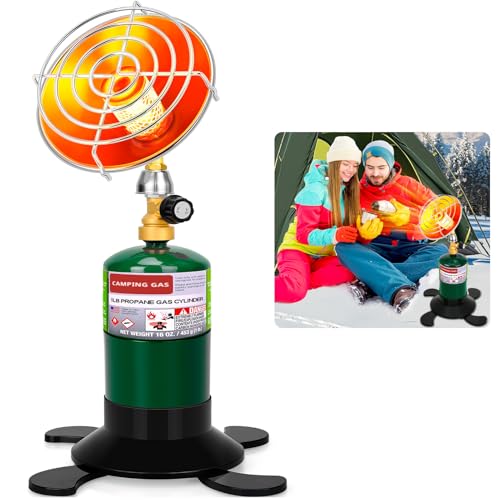
This HEYDUOTON model is designed for portability and versatility in small spaces. It provides warmth for up to 200 square feet, making it suitable as a small space heater for patios, tents, or garages. The unit is cordless and light enough to carry on outdoor trips, including hunting, hiking, and RV getaways. An adjustable heat control knob allows users to tailor warmth to conditions, while its compact form supports easy packing for weekend trips. The design emphasizes fuel efficiency to help manage propane use in variable outdoor environments.
Fitfirst Portable Propane Heater

This Fitfirst heater delivers 6000-9000 BTU of radiant warmth, capable of heating spaces up to 225 square feet. It’s designed for safety with Tip-Over Protection and an Oxygen Depletion Sensor (ODS). The unit runs on a standard 1 lb propane cylinder and does not require electricity, making it ideal for off-grid camping, garages, patios, and RV setups. A carry handle adds portability, enabling quick setup at campsites or during power outages. The dual protection system aims to balance powerful warmth with reliable shutoff features.
BlueFire Propane Heater for Outdoor

The BlueFire unit emphasizes dual-fuel capability, allowing operation with either a 1-pound or a larger 20-pound propane tank. It is positioned as a versatile outdoor heater suitable for garages, tailgating, ice fishing, and camping. Safety features include a rugged guard, a tip-over switch, and an Oxygen Depletion Sensor for safer use in enclosed or semi-enclosed spaces. Its all-metal body contributes to durability in rugged outdoor environments, while the dual hoses provide flexibility for various fuel setups.
Camco Olympian Wave-3 Portable Catalytic Heater

The Camco Wave-3 delivers catalytic heating with adjustable output from 1,600 to 3,000 BTUs, warming spaces up to 100 square feet without an open flame. Its versatility includes portable use with optional leg stands, permanent mounting, or outdoor placement. The absence of a fan or blower reduces noise and energy consumption. A self-generating piezo starter and a safety shut-off valve enhance safety, while the unit’s compact design supports flexible positioning in RV cabins, tents, or small workshops. The heating approach focuses on quiet, steady warmth.
FOGATTI RV Furnace
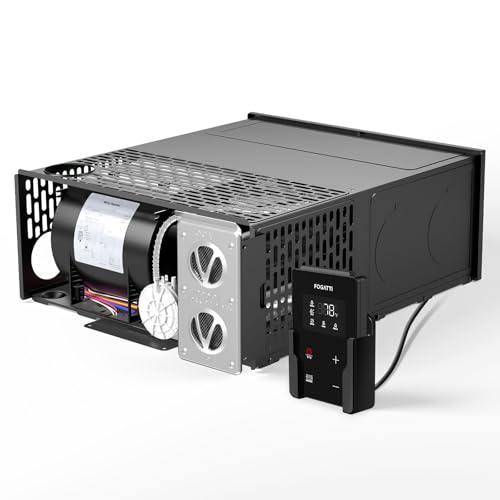
The FOGATTI 35,000 BTU RV furnace targets larger RVs and travel trailers, offering high-capacity warmth suitable for frigid climates. It includes a thermostat-controlled system and a robust forced-air distribution to ensure uniform heat across living spaces. This unit is designed for more substantial RV setups, emphasizing reliable performance and the ability to maintain consistent temperatures even when outdoor conditions are challenging. The system integrates into existing RV heating configurations where a higher heat output is desirable.
Buying Guide: Key Purchase Considerations
- Heat output and space size: Compare BTU or square-foot coverage to ensure the heater matches your space. Smaller spaces may benefit from lower-output models, while larger RVs require higher BTU systems.
- Ventilation and safety: Look for Oxygen Depletion Sensor (ODS), tip-over switches, and safety shut-offs. Catalytic and non-flame designs reduce indoor combustion risks, especially in enclosed areas.
- Fuel type and mobility: Decide between 1-lb cylinders, larger propane tanks, or dual-fuel options. For off-grid use, cordless or easy-to-carry designs improve portability.
- Power requirements: Most small units operate without electrical power, but some models or accessories may need electricity for ignition or fans. Consider backup power options for reliability.
- Durability and construction: All-metal bodies and rugged guards tend to withstand outdoor use and travel better. Weight and compactness influence transport and storage decisions.
- Safety certifications and warranties: Verify CSA or other regional certifications when available. A solid warranty can provide peace of mind for frequent outdoor use.
- Installation flexibility: Some models offer portable, freestanding use; others are designed for permanent mounting or specific RV configurations. Assess your setup needs before choosing.
- Vent-free operation: If used indoors, ensure the space is adequately ventilated or choose models designed for safe indoor use. Always follow manufacturer guidelines.
- Maintenance and replacement parts: Check for readily available replacement hoses, guards, and thermocouples. Simpler designs often make servicing easier.