Finding a sleeping bag that accommodates height and provides genuine warmth can be challenging. The following selections are designed for tall campers, offering extra length, width, and comfort features without sacrificing insulation or portability. Each option below is evaluated for size, warmth rating, and overall practicality for extended outdoor use.
| Product | Brand | Length / Width | Temperature Range | Key Feature |
|---|---|---|---|---|
| Londtren Large 0 Degree Sleeping Bag | Londtren | 90″ x 40″ | 0℉ to 15℉ (comfort 20℉-55℉) | Flannel lining; extra tall and wide |
| Coleman Heritage Big & Tall 10°F | Coleman | 84″ x 40″ | 10℉ | Holofill 808 insulation; no-snag zipper |
| ORRSTAR Cold Weather Sleeping Bag | Orrstar | 90″ x 36″ | 0℉ to 15℉ | Hollow fiber fill; waterproof shell |
| HiZYNICE Sleeping Bag | HiZYNICE | 90″ x 39″ | 0℉ to 15℉ (comfort around 30℉) | Cotton flannel lining; extra tall |
| MEREZA Double Sleeping Bag | MEREZA | Queen/Two-person (separable) | All-season (varies by use) | 2 pillows; can split into two bags |
Londtren Large 0 Degree Sleeping Bag
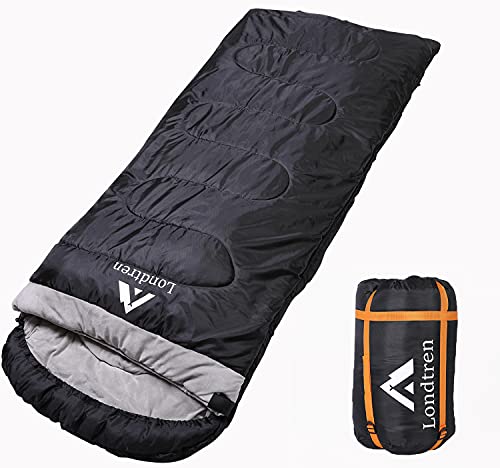
The Londtren model provides a true tall option with a height of 90 inches and width of 40 inches, suitable for campers up to about seven feet tall. Its 0℉ to 15℉ cold-weather range targets winter camping, with a comfort window from 20℉ to 55℉. A flannel lining adds softness against the skin, while a two-way zipper improves accessibility and ventilation. The design includes a thick shoulder warmer belt and a drawstring hood to protect the head and neck against drafts. This bag prioritizes warmth and roominess for taller sleepers.
Coleman Heritage Big & Tall 10°F
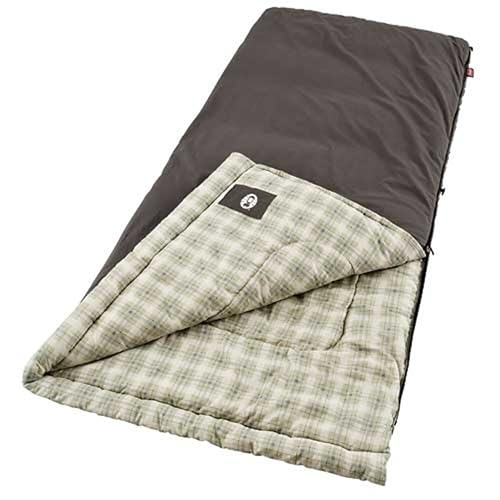
Designed for adults up to 6’5″, the Coleman Heritage Big & Tall 10°F is a four-season option that emphasizes height accommodation and insulation. It features 5 pounds of Holofill 808 insulation to maintain warmth in cold environments, with a smart zipper and FiberLock to prevent insulation shifting. The bag’s roomy 40″ x 84″ profile helps taller users position themselves without feeling cramped, while the no-snag zipper reduces snagging during entry and exit. This makes it a practical choice for extended cold-weather trips.
ORRSTAR Sleeping Bag Cold Weather

ORRSTAR offers a 90-inch long, 36-inch wide sleeping bag with a 0 to 15℉ warmth range. The hollow fiber fill contributes to efficiency in heat retention, paired with a soft, skin-friendly flannel liner. A 210T polyester fabric exterior provides waterproof performance and durability. The combination targets taller campers seeking a warmer night while remaining comfortable in damp or damp-prone environments. The zipper and overall construction emphasize a cozy, roomy feel for users who prefer sleeping on their side or spread out.
HiZYNICE Sleeping Bag

HiZYNICE presents a 90 by 39 inch configuration with a 0℉ extreme rating and 15℉ limit, offering a comfort zone near 30℉. The 100% cotton flannel lining adds tactile softness, and an anti-snag zipper design supports easy opening and closing from either end. A draft tube around the zipper helps minimize heat loss. Aimed at campers up to 6’7″ tall, this bag is suited for side sleepers who value space and warmth during three-season conditions, with a sturdy construction geared toward tall body frames.
MEREZA Double Sleeping Bag

The MEREZA double sleeping bag provides a roomy option for two tall campers or for those who want extra space. It includes two pillows and can be separated into two individual sleeping bags or used as two queen-size blankets thanks to wraparound zippers. It accommodates people up to seven feet tall with a spacious rectangular shape. The rating guidance emphasizes choosing an extreme temperature appropriate for the environment, while noting versatility for indoor and outdoor use. This model suits couples or solo sleepers seeking flexible space and warmth in cooler conditions.
Buying Guide: Key Purchase Considerations for Tall Sleepers
When selecting a sleeping bag for tall individuals, prioritize length, width, insulation, and shell durability. A true tall bag should comfortably accommodate height without restricting leg movement, while a wider girth reduces claustrophobic feeling and allows for sleeping on either side. Consider the climate and typical trips to match temperature ratings with personal comfort. Flannel or fleece linings add warmth and softness, but consider dry-warmth and moisture-wicking properties if you expect damp nights. Zipper quality matters for side sleepers or those who prefer venting options mid-sleep.
Durability and material choices impact longevity: rugged polyester shells with waterproof or water-resistant coatings resist weather exposure, while breathable linings help regulate moisture. For two-person or modular options, assess whether a bag can be split into smaller units or adapted for single occupancy, which adds versatility for different camping scenarios. Weight and packed size influence backpacking practicality; look for bags that balance warmth and portability with a compact carry. Finally, verify warranty terms to protect against zipper or insulation failures after frequent use.
Choosing the Right Size and Warmth
For very tall campers, aim for at least 90 inches in length and a width of 36–40 inches. For those who move a lot in sleep, consider models with broader shoulders or a rectangular shape for freedom of movement. In cold conditions, prioritize bags rated for closer to your expected lowest temperatures, but account for personal comfort levels and wind exposure. In milder climates, a bag with a more moderate rating may be ideal to prevent overheating.
Maintenance and Care
Follow care instructions to extend the life of a tall sleeping bag. Most bags benefit from machine washing on gentle cycles and air drying, or spot cleaning as needed. Avoid high heat during drying to prevent insulation damage. Store sleeping bags uncompressed in a breathable sack to preserve loft and warmth. Regularly inspect zippers and draft tubes, addressing wear early to maintain performance across seasons.