Bikepacking blends lightweight gear with comfort and reliability. The right sleeping bag balances warmth, weight, and compressibility to fit into a compact frame pack. Below are five highly suitable options that perform well in mixed weather, with quick-drying fabrics, efficient insulation, and practical entry/exit features for restless nights on the trail. This guide compares core aspects to help riders choose gear that aligns with their routes, seasons, and sleeping preferences.
| Product | Brand | Key Feature |
|---|---|---|
| MalloMe Sleeping Bags | MalloMe | 50°F–77°F rating; ultralight and compact; ideal for all ages |
| Coleman Brazos 20/30°F | Coleman | Temperature range for cooler nights; draft tube helps seal warmth |
| JEAOUIA Sleeping Bags | JEAOUIA | Three-season warmth; roomy cut; affordable |
| ECOOPRO Warm Weather Sleeping Bag | ECOOPRO | Compact, lightweight, waterproof; versatile for backpacking |
| Sierra Designs Backcountry Bivy Bag | Sierra Designs | Ultralight bivy with ventilation features; minimalist backup gear |
When selecting a bikepacking sleeping bag, consider climate range, weight, packability, and how you’ll store it with your bike gear. The following sections profile each option with practical notes to help you compare warmth, space, and convenience on trail days and overnight stops.
MalloMe Sleeping Bags For All Ages
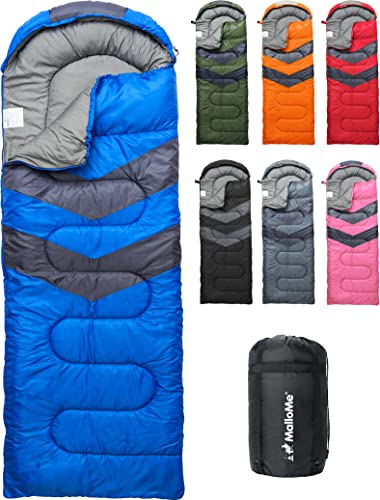
The MalloMe bag is rated for 50°F to 77°F, offering a broad comfort range suitable for cool spring nights and mild fall rides. It accommodates a 6-foot adult and weighs around 3 pounds, which helps keep bikepacking loads manageable. The outer shell uses a hex-tech, waterproof design with double-layered stitching and a 3D synthetic fill for reliable insulation. A compression sack with straps facilitates compact packing, essential for compact frame bags and backpack strategies on longer trips.
Coleman Brazos 20/30°F

The Coleman Brazos series is designed for cooler nights with a 30°F–50°F envelope, depending on model. It features Thermolock draft tube along the zipper, which helps retain body heat and reduces drafts—beneficial for riders stopping near dawn or in breezy canyons. Its machine-washable fabric and standard sizing provide convenience for bike campers who want a straightforward, reliable bag that pairs well with mid-range tents and sleeping pads.
JEAOUIA Sleeping Bags For Adults

JEAOUIA offers a three-season sleeping bag with a roomy cut that fits most campers up to 5’11”. It provides comfort in temperatures roughly from 50°F to 68°F, and is designed with breathable outer fabrics and a warm inner lining. The design includes a drawstring hood and a lower zipper to facilitate airflow adjustments across the night. The bag aims for a balance of space, warmth, and affordability, making it a common choice for casual bikepackers who want a versatile option without heavy insulation.
ECOOPRO Warm Weather Sleeping Bag
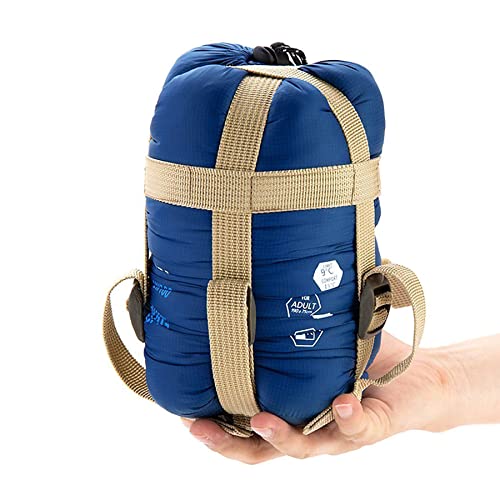
ECOOPRO’s bag emphasizes compactness and light weight while offering waterproof and weatherproof performance. Its 83 inches by 30 inches size provides ample space for most riders, and the design accommodates packing down small enough to fit into lightweight pannier or handlebar bag systems. The bag is designed to maintain warmth across 55–60°F sleeping conditions and balances comfort with easy roll-closure features for quick setup after a day on gravel or singletrack.
Sierra Designs Backcountry Bivy Bag

The Sierra Designs bivy bag is ultralight and designed to work with a sleeping pad and sleeping bag system in a compact form. It features a large U-shaped opening for easy in/out, plus a mesh vent window for airflow when conditions are mild. While not a traditional full-length sleeping bag, the bivy offers a lightweight, weather-resistant layer ideal for fast-tack rides, emergency backups, or minimalist setups when you want to minimize bulk while still protecting against wind and light moisture.
Buying Guide — Key Purchase Considerations for Bikepacking Sleep Systems
Warmth and seasonality: Match the bag’s temperature rating to your typical riding climate and season. Three-season bags with flexible temperature ranges are common choices for late spring through early fall in many U.S. regions.
Weight and packability: For bikepacking, every ounce matters. Prioritize compact, lightweight designs and consider compression sacks or stuff sacs that fit neatly into frame bags or seat packs.
Size and fit: A bag that’s too tight can restrict movement; a bag that’s too large can waste warmth. Look for comfortable shoulder and hip room, with options for different torso lengths.
Materials and durability: Waterproof shells help protect against rain and morning dew; durable linings reduce wear from repeated compressions and set-ups.
Ventilation and closure features: Draft tubes, zippers with good seals, and hood adjustments improve comfort during variable temperatures and sleep environments.
Versatility: For riders who want backup options, bivy-style or convertible bags can provide flexible protection without carrying a separate layer.
Maintenance and care: Machine-washable fabrics simplify cleaning after muddy rides, while air-drying reduces wear from repeated drying cycles.
Value and warranty: A solid warranty and reputable brand support can be important for gear subjected to rugged conditions on multiple trips.