Choosing the right ski backpack with a ski holder can streamline your cold-weather adventures, keeping gear organized and comfortably carried from trailhead to summit. This guide highlights top options that balance storage, durability, and ergonomic design for American skiers and snowboarders. Read on to compare sizes, compartments, and carry systems to find the model that fits your trips—from day tours to longer weekend runs.
Summary of selected products
| Product | Brand | Capacity | Highlight |
|---|---|---|---|
| Unigear Ski Hydration Backpack 30L | Unigear | 30L | Hydration-compatible, goggle pocket, ergonomic back panel |
| Goloni 50L Ski Backpack | Goloni | 50L | Helmet and gear compartments, weatherproof bottom |
| Unigear Ski Boot Bag Backpack | Unigear | 50L | External ski/snowboard carry, standing mat option |
| Osprey Glade 12-Ski Hydration Pack | Osprey | 2.5L reservoir | Diagonal ski carry, insulated hydration |
| YOREPEK 65L Ski Backpack | YOREPEK | 65L | Eight pockets, wet/dry division, boot protection |
Unigear Ski Hydration Backpack 30L
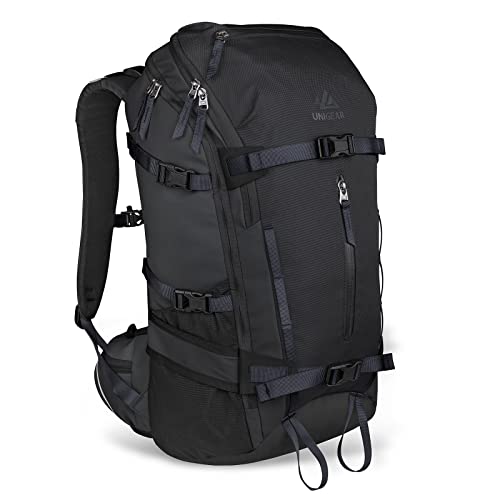
Unigear’s 30-liter backpack is designed for long day tours, skiing, and mountaineering with multiple compartments to keep gear organized. A dedicated goggle pocket helps prevent scratches, while a 3-liter hydration bladder connection keeps fluids accessible on the move. The bag employs an ergonomic back panel, S-shaped shoulder straps, and a waist belt to distribute weight and reduce fatigue. Built with 900D polyester and PU-coated side panels, it’s suited for snow and cold conditions.
Key features include a separate laptop compartment for up to 15-inch laptops, a 30L capacity for clothing and tools like shovels or ice axes, and reflective stitching for night visibility. The design emphasizes accessibility and comfort for (and during) long days on the slopes.
Goloni 50L Ski Backpack

This 50-liter Goloni model offers generous space for boots, helmet, goggles, and accessories. It features a waterproof bottom and tarpaulin-assisted durability, plus an EVA-padded back panel for comfort. External compartments and designated ski carry sections help keep gear organized, while adjustable shoulder straps and a padded back reduce fatigue on long runs. It’s well-suited for those who carry substantial equipment and want solid weather resistance on the mountain.
Unigear Ski Boot Bag Backpack (50L/70L)

Unigear’s boot bag backpack focuses on boot and helmet storage with eight pockets and three main compartments. It supports external ski and snowboard attachment and includes a back-panel door that lowers to a standing mat for changing boots. Made with tarpaulin and 1050D nylon, the bag aims to be weatherproof and durable, protecting fragile items in cold conditions. Its size accommodates boots up to US men’s size 12.5 and offers versatile packing for a full day on the hill.
Osprey Glade 12-Ski Hydration Pack
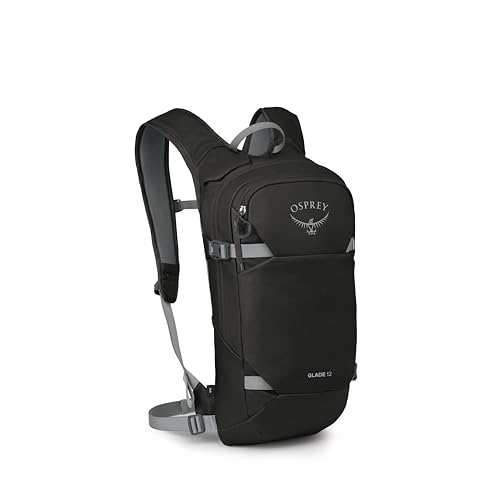
The Osprey Glade pack emphasizes hydration reliability and winter durability. It comes with a 2.5-liter Hydraulics reservoir and an insulated harness sleeve to prevent freezing. It also supports diagonal ski carry and various snowboard/boot configurations, with all-weather NanoTough fabric to resist abrasion and moisture. This model is ideal for hikers who want reliable hydration while carrying skis or a snowboard in moderate winter conditions.
YOREPEK 65L Ski Backpack

The YOREPEK model packs 65 liters and eight compartments for extensive gear organization. It includes a boot storage section, a dry/wet separation area, and a padded back panel to protect against impact and snow exposure. The design supports a wide range of equipment, making it a strong option for users with larger, more diverse setups who still need to keep items separate and accessible in cold weather.
Buying Guide
- Capacity and load: Choose 30–65L depending on how much gear you carry, including boots, helmet, jacket, and layers. For day trips, 30–50L is often enough; longer tours may require 50–65L.
- Carry system: Look for ergonomic back panels, padded shoulder straps, waist belts, and sternum straps to distribute weight and reduce fatigue on ascents and long descents.
- Equipment-specific compartments: Separate boots, helmets, goggles, and hydration to protect fragile items and simplify access on the slope.
- Weather resistance: Consider tarpaulin or coated fabrics, waterproof bottoms, and seam sealing to keep gear dry in snow and slush.
- Hydration and insulation: If you’ll be sweating or skiing in sub-zero conditions, a well-insulated reservoir sleeve and a breathable back panel help prevent freezing and discomfort.
- Durability and maintenance: Check fabric denier (e.g., 900D or 1050D), reinforced seams, and easy-to-clean interiors for long-term use in harsh environments.
- Versatility: Some models offer external ski/snowboard carry, convertible mats, and helmet pockets—beneficial for mixed days with varying gear requirements.
- Size versus airport or car travel: Larger backpacks may require airline checks or car packing strategies; consider overall weight distribution when fully packed.
When choosing, weigh how often you’ll ski in varied conditions, how many accessories you typically carry, and whether you prioritize hydration or dry compartments. The best option blends capacity with robust protection of delicate items while staying comfortable across hours of movement in cold weather.