Side sleepers often need more shoulder room and a relaxed fit to prevent pressure points. This guide highlights top sleeping bags designed for side sleeping comfort, warmth, and ease of movement. Each option balances shape, fill, and draft control to support a natural side-sleeping posture during cold-weather camping or backyard camping adventures.
Summary of selected products:
| Product | Brand | Temp Range | Key Benefit |
|---|---|---|---|
| NEMO Tempo | Nemo | 20°/35° | Relaxed Spoon shape for side sleepers; recycled fill; blanket draft collar |
| HiZYNICE 0 Degree | HiZYNICE | 0° extremes | Very roomy, tall option; soft flannel liner; easy venting |
| TETON Celsius XXL | TETON Sports | 0° | Spacious XXL, Draft tubes, robust compression |
| Sportneer 0 Degree Wearable | Sportneer | 32–65°F | Wearable design; freedom of movement |
| Browning Side-by-Side 0° | Browning | 0° | Double sleeping bag; two-person warmth; heat-trapping design |
NEMO Tempo: Side Sleeping Comfort in 20°/35° Models

Nemo’s Tempo sleeping bag is tailored for side sleepers with a relaxed Spoon shape that reduces shoulder compression. The bag uses 100% recycled Stratofiber fill for warmth, moisture resistance, and packability, making it a versatile option for three-season use. A Blanket Fold external draft collar helps regulate temperature by tucking in warmth and keeping cold drafts out. This configuration supports a natural side posture while maximizing comfort in tight camping spaces or tents with a lower ceiling.
HiZYNICE 0 Degree Sleeping Bags: Extra Room For Tall Sleepers

HiZYNICE’s 0 Degree sleeping bag emphasizes a large, tall profile suitable for side sleepers who want room to move. The 90 x 39 inch size accommodates campers up to 6 ft 7 in and features a soft flannel lining for a cozy feel. The draft tube along the zipper helps minimize heat loss, while dual-zip access supports ventilation when needed. This design is adaptable for three-season camping and larger-framed individuals seeking extra shoulder and hip space.
TETON Celsius XXL: Spacious 0 Degree Comfort

The TETON Celsius XXL offers a roomy, soft poly-flannel lining and double-layer construction with a dedicated draft tube, designed to fend off cold drafts while maintaining comfort for larger sleepers. The bag is easy to pack with a durable compression sack and heavy-duty straps, enabling quick breakdowns at the end of a trip. The half-circle mummy hood helps retain heat around the head, making it suitable for side sleepers who want extra warmth without feeling constrained.
Sportneer 0 Degree Wearable Sleeping Bag: Move While You Stay Warm
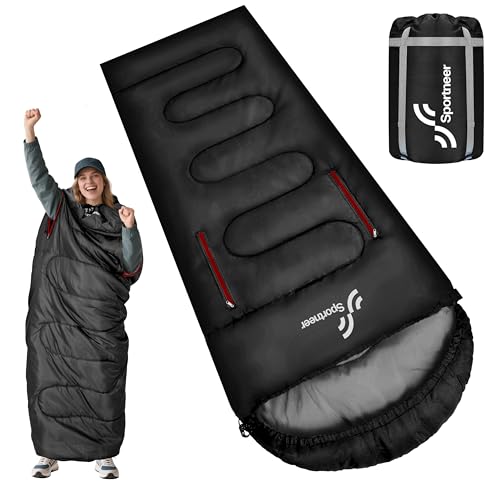
Sportneer’s wearable sleeping bag is designed for maximum mobility without fully exiting warmth. The design allows arms freedom for reading or snacking, making it ideal for side sleepers who want the ability to adjust without exposing themselves to cold. It targets 32–65°F temperatures, using high-efficiency hollow fiber insulation. An adjustable hood and secure zipper provide a snug seal while offering flexible ventilation options during stadium outings, camping, and travel.
Browning Side-by-Side 0°: Cozy For Two

The Browning Camping Side-by-Side 0° is designed for two people sharing warmth in extreme conditions. The outer shell uses durable 210T polyester ripstop with a brushed liner, and the insulation is structured to trap heat efficiently. This two-person configuration suits couples or friends who want to stay close and warm through cold nights, offering an offset construction to minimize cold spots while maximizing shared comfort. It’s a practical option for car camping or base camp setups.
Buying Guide: Key Considerations For Side Sleepers
Choosing a sleeping bag tailored to side sleeping requires balancing fit, warmth, and flexibility. Consider the following factors when comparing options:
- Shape and Fit: Side sleepers benefit from bags with more shoulder room and a roomy torso. Look for “Spoon” or semi-structured shapes, or wider shoulder arcs to reduce compression on the hips and shoulders.
- Temperature Rating: Match the bag’s temperature range to the lowest expected sleeping conditions. If you often camp in cool environments, prioritize bags rated for lower temperatures and with draft protection features like draft tubes and collars.
- Insulation Type: Synthetic fills (e.g., Stratofiber) retain warmth when damp and are easier to dry. Down fills are lighter and compressible but can lose insulating ability when wet.
- Draft Prevention: Features such as draft collars, draft tubes along zippers, and snug hoods help minimize heat loss—especially important for side sleepers who may shift toward the sides of the bag.
- Size And Mobility: XXL or tall options give added room for broader shoulders or longer limbs. For side sleepers who move during the night, consider bags with more interior space and flexible zippers (left/right) for ventilation without full unzip.
- Zipper Design: Dual-zip or full-length zippers enable easier entry and exit and better tap ventilation. Ensure zippers track smoothly to avoid catching on fabric during movement.
- Versatility: If you camp in varying conditions, a wearable or semi-structured bag can offer greater freedom of movement while maintaining warmth when seated or lounging, a common need for side sleepers at campsites or stadium events.
- Pairing Considerations: For two-person setups, ensure the bag’s dimensions and construction allow comfortable sharing without excessive bulk or heat buildup for one sleeper.
In summary, the best sleeping bags for side sleepers combine a forgiving shape with effective draft control, breathable yet warm insulation, and practical features for movement. Among the options reviewed, each emphasizes comfort for side positions while offering varying degrees of warmth, room, and portability to fit different camping styles.