Choosing a reliable propane gas detector is essential for safety in RV living. This guide highlights top-of-the-line detectors designed for motorhomes, travel trailers, and campers. Each pick emphasizes rapid detection, clear alarms, and easy installation to help you travel with greater peace of mind.
The table below summarizes five strong options. It includes model names, brands, and key features to help you compare at a glance.
| Product | Brand | Key Features |
|---|---|---|
| RV Propane Gas Detector (R501) | Leakbee | 12V DC, 85dB alarm, real-time digital display, lever-nut wiring |
| VITITE 2-in-1 CO/LP Detector | VITITE | Digital display, 0.5–2s response, 85dB alarm, lever-nut connectors |
| RV Dual LP/CO Alarm (R502) | Leakbee | Two sensors for CO and propane, 12V DC, 85dB alarm |
| Safe T Alert Mini LP Gas Alarm (20 Series, Black) | Safe T Alert | Surface mount, <25% LEL detection, 12V power |
| Safe T Alert Mini LP Gas Alarm (20 Series, White) | Safe T Alert | Surface mount, <25% LEL detection, 12V power |
RV Propane Gas Detector, R501 Black

The RV Propane Gas Detector by Leakbee is designed for motorhomes, travel trailers, and similar RVs. It detects propane gas leaks using a real-time digital display and an 85dB alarm to provide an early warning. The device features a 12V DC power requirement with a wide operating tolerance of +/-20%, enabling flexible in-vehicle installation. It uses a lever-nut connector to simplify wiring and reduce installation time compared with traditional tape or butt connections. This detector focuses on combustible gases and does not monitor carbon monoxide.
VITITE 2-in-1 CO/LP Gas Alarm

The VITITE detector combines carbon monoxide and propane monitoring in a single 12V DC unit, making it a compact solution for RV safety. It features a digital display that shows leak concentration and delivers an 85dB alarm for immediate warnings. The installation uses lever-nut connectors to avoid tape or messy wiring, and the unit is designed to fit typical RV wall cutouts. With a quick response time of up to 2 seconds, it aims to provide timely alerts during cooking or at night when leaks may occur.
RV Dual LP/CO Alarm (R502)

The RV CO & Propane Gas Detectors by Leakbee use two independent sensors to monitor both carbon monoxide and propane. This dual-detection approach helps distinguish between different hazards and supports safer interior environments while on the road. The unit maintains standard 12V DC power and uses lever-nut connectors for easier wiring. An 85dB audible alarm provides ample warning, supported by a digital LED readout for gas concentrations and CO levels.
Safe T Alert Mini LP Gas Alarm (Black)
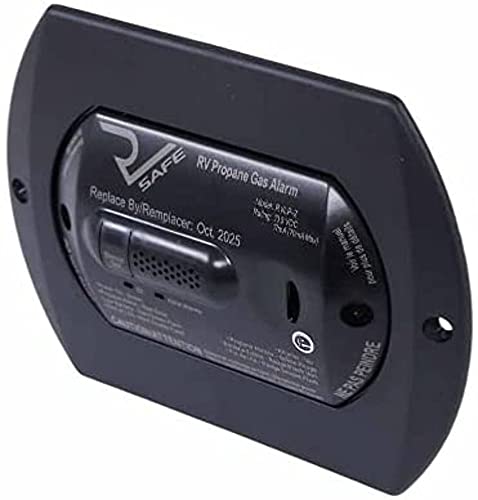
The Safe T Alert 20 Series Mini LP Gas Alarm is designed for compact RV spaces. It features a surface-mount design with rugged RV compatibility and includes two universal mounting brackets. The device provides early detection with an alarm that triggers when propane levels meet or exceed a threshold near 25% LEL, enabling safe ventilation and recovery. It operates on 12V DC with low power consumption, suitable for long-term RV use without frequent battery changes.
Safe T Alert Mini LP Gas Alarm (White)

Another finish option from Safe T Alert, this white Mini LP Gas Alarm shares the same rugged RV-focused design and 12V DC power characteristics. It is equally suitable for surface-mount installations in travel trailers and campers, with a focus on propane leak detection and dependable performance in mobile environments. The unit emphasizes low power usage and consistent operation in RV electrical systems.
Buying Guide: How to Choose the Right RV Propane Gas Detector
- Detection type: Consider whether you need a single-gas LP detector or a dual-gas detector that also monitors carbon monoxide. A 2-in-1 CO/LP detector can simplify installation and provide broader safety coverage.
- Power and wiring: Most RV detectors run on 12V DC and use lever-nut connectors for easier installation. Verify compatibility with your RV electrical system and any existing alarm panels.
- Response time and alarms: Look for detectors with fast response times and audible alarms at 85dB or higher. A digital display showing gas concentration levels helps you gauge urgency.
- Installation and form factor: Unit size, wall or surface-mount options, and ease of mounting are important for limited RV spaces. Consider units with adjustable mounting brackets if needed.
- Sensor quality and certification: Select detectors with proven sensors (e.g., Japanese Figaro sensors) or UL-listed components for reliability and reduced false alarms.
- Maintenance and replacement: Check for easy replacement procedures, clear indicator lights, and whether you need to replace detectors as a unit or sensor modules over time.
- Environmental tolerance: RVs experience vibration and varying temperatures. Choose detectors rated for mobile environments and quick recovery after activation.
- Brand support and warranty: Favor reputable brands with accessible customer support and warranty coverage to address potential issues quickly.
- Placement strategy: Install units away from direct heat sources like stoves and heaters, but near sleeping areas to ensure early warnings during rest periods.
What to Do If a Detector Activates
If a detector alarms, open windows and doors to ventilate, evacuate if necessary, and avoid re-entry until the area is safe. Do not ignore an alarm—even if it goes off briefly. If you suspect a leak, turn off propane supplies and contact emergency services or a professional technician for inspection.
All products listed are designed for RV safety and meet common standards for mobile living. The choice depends on your RV type, installation preferences, and whether you want a single-gas or dual-gas monitoring solution. Always follow installation instructions and position detectors according to product guidelines to maximize safety on the road.