When planning camping trips, having a dependable portable power source can extend your time outdoors and keep essential gear running. The following hand-picked power stations offer reliable battery capacity, multiple outputs, and practical charging options for varying outdoor scenarios. This guide highlights five top performers and compares their strengths to help you choose the right model for camping, RV adventures, or emergency backup.
| Product | Brand | Key Features |
|---|---|---|
| Jackery Explorer 300 | Jackery | 293Wh, 2 Pure Sine Wave outlets, fast recharge, lightweight |
| MARBERO Portable Power Station 88Wh | MARBERO | 8 outputs, compact, solid multi-device charging |
| BailiBatt Portable Power Station | bailibatt | 300W total, 69,600mAh, multiple outputs |
| EnginStar Portable Power Station 296Wh | EnginStar | 110V AC outlets, 300W, multiport safety |
| OUPES Mega 1 Portable Power Station | OUPES | 1024Wh, expandability to 5kWh, high output |
Jackery Explorer 300 Power Station
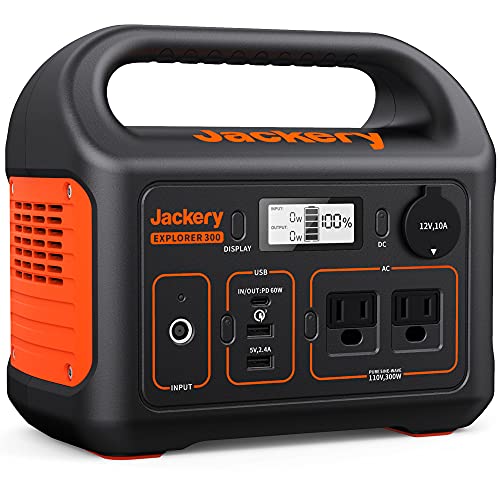
The Jackery Explorer 300 offers a compact 293Wh lithium battery and two Pure Sine Wave AC outlets, delivering a stable 300W of power for essential camping devices. Weighing around 7.1 pounds, it balances portability with dependable output for ventilators, small cameras, drones, and laptops. Charging versatility is a standout: wall outlets can push 80% in approximately two hours via a 60W PD USB-C port, and compatibility with car outlets or solar panels broadens outdoor options. The unit supports simultaneous charging and device recharging, making it suitable as a primary camping power hub or a dependable blackout backup for cabin trips.
Features in practice include 2 AC outlets, a PD USB-C input/output, fast charge 3.0 port, USB-A, DC car port, and the ability to recharge itself while powering multiple devices. The design emphasizes safe operation with a strong, stable energy supply for off-grid excursions. For campers who value rapid top-ups and straightforward operation, the Explorer 300 provides a reliable, portable solution without sacrificing performance.
MARBERO Portable Power Station 88Wh
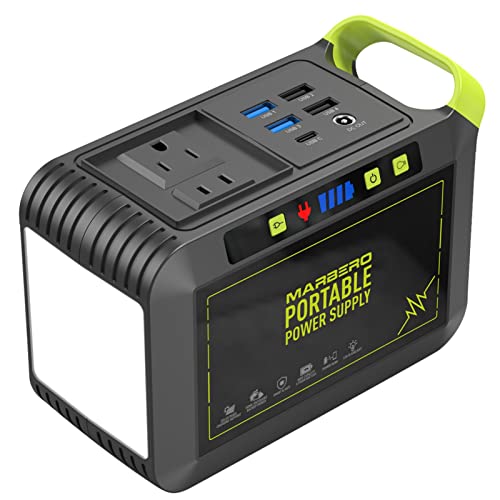
The MARBERO unit emphasizes compact portability with an 88Wh capacity and eight output ports, enabling concurrent charging for a range of devices during outdoor trips. It supports fast charging via included adapters and is compatible with MARBERO’s solar panels for off-grid recharging. The compact size and lightweight build make it an attractive option for backpackers and campers who prioritize mobility. While capacity is smaller than larger models, its strong multi-output design allows charging phones, tablets, cameras, small laptops, LED lights, and even car fridges within its capabilities. It pairs well with compact solar panels for quiet, eco-friendly camping power.
Safety and reliability come from its integrated battery management system, which helps maintain stable power delivery across the eight available ports. The MARBERO power station is a sensible choice for campers who need a pocket-friendly, versatile backup power bank capable of handling multiple devices simultaneously without bulk or heavy weight.
BailiBatt Portable Power Station 300W

The BailiBatt power station focuses on a strong balance of weight and capability, weighing about 4.6 pounds with a 257Wh battery. It provides dual 120V pure sine wave AC outlets plus multiple DC and USB outputs to support up to eight devices at once, depending on total load. This makes it suitable for camping, home backup, or road trips where a compact power hub is beneficial. The unit’s design prioritizes stable, efficient outputs for laptops, cameras, small appliances, and other USB-powered gear, giving campers a reliable option for extended trips or boundary conditions where power is scarce.
With a robust thermal profile and a focus on user-friendly operation, BailiBatt emphasizes practical power where you need it most: reliable charging of essential electronics while away from mains electricity. Its portability makes it a strong contender for campers who want a lightweight, multi-device charging station that still provides ample wattage for daily gear.
EnginStar Portable Power Station 296Wh

EnginStar brings a compact 296Wh battery with two 110V pure sine wave AC outlets and multiple output ports to support diverse devices. At about 6.5 pounds, it strikes a balance between portability and power, suitable for charging phones, laptops, cameras, CPAP devices, drones, and more. The system features comprehensive safety protections via a battery management system to guard against short circuits, overcharging, and overloads, while maintaining stable output. Its multi-port design makes it a practical all-around option for camping, outdoor adventures, or emergency power.
The EnginStar unit emphasizes quiet operation and stability, ensuring sensitive electronics are protected from power surges. Its combination of safety features and multiple outputs makes it a dependable choice for campers who require reliable energy for several devices without exceeding travel weight limits.
OUPES Mega 1 Portable Power Station
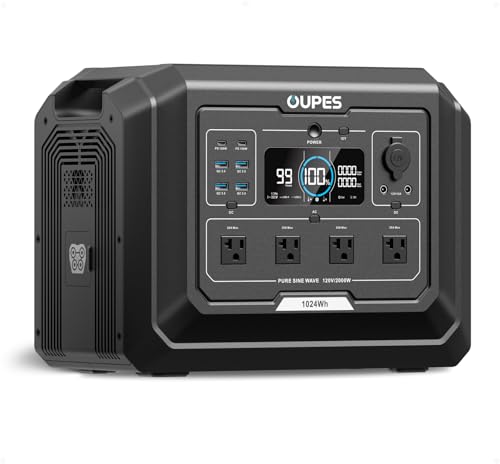
The OUPES Mega 1 is designed for serious power needs with a 1024Wh LiFePO4 battery and up to 2000W AC output (4500W peak). This expandable system can scale from a single unit to a much larger capacity with additional B2 batteries, enabling a modular approach to home backup, camping, and road trips. Fast charging is a standout with dual speeds for 0-80% in around 36 minutes, depending on charging mode, offering rapid recharging to minimize downtime away from mains power. Its expandable capability makes it suitable for longer trips or situations requiring sustained power for high-watt appliances such as refrigerators, CPAP machines, or power tools.
OUPES emphasizes safety and longevity with its expandable architecture, allowing users to tailor capacity to their needs. For campers planning extended stays or demanding devices, this unit provides a scalable and powerful solution that remains portable enough for transport to camp sites or remote locations.
Buying Guide: Key Purchase Considerations And Comparisons
- Power capacity and outlet types: For a camping setup, consider the watt-hour rating (Wh) and available outlets (AC, USB-C, USB-A, DC). Higher capacity supports longer runtimes, while more outlets enable charging multiple devices simultaneously.
- Charging options and speed: Look for models with fast charging via PD USB-C, car adapters, wall outlets, and potential solar compatibility. Quick recharging reduces downtime between outings.
- Portability vs. power: Heavier units deliver more energy, but portability matters for backpacking or seasonal trips. Balance weight with capacity to fit your camping style.
- Output stability and safety: Pure sine wave inverters protect sensitive electronics. A robust battery management system (BMS) helps prevent short circuits, overcharging, and overheating.
- Expandability and modularity: Some systems offer expandable batteries for higher total capacity, ideal for long trips or home backup scenarios.
- Solar compatibility: If you plan to recharge off-grid, confirm compatibility with solar panels and the expected charging time under outdoor conditions.
- Durability and warranty: Assess build quality, heat management, and warranty coverage to ensure longevity in rugged outdoor environments.
- Usage scenarios: For hikers and backpackers, lighter models with essential outputs may suffice; for RV travelers or cabin backups, higher capacity units with multiple outlets are advantageous.
In choosing among these options, consider how often you camp, how many devices you need to power, and whether you prioritize portability or total energy. The Jackery Explorer 300 offers a strong balance of weight and performance for typical camping needs, while the OUPES Mega 1 provides scalable capacity for extended trips and high-demand appliances. The MARBERO, BailiBatt, and EnginStar models provide compact alternatives with varying output and safety features. A solar-ready approach can further reduce reliance on mains power during longer outdoor excursions.