Whether you’re backpacking, car camping, or facing emergency water needs, a reliable portable water filter ensures safe drinking water wherever you are. This guide highlights five highly capable options that blend performance, portability, and ease of use. Each product leverages different filtration technologies—from ultrafiltration membranes to gravity-fed and hand-pump systems—so you can choose based on your adventure style and water source. Read on to compare features, capacities, and practical usage notes to find the best fit for your next outdoor trip.
| Product | |||
|---|---|---|---|
| BKLES 3-in-1 Solar Electric Water Filter | Electric / Hand Pump | 0.01-micron ultrafiltration membranes; 6-stage purification | Solar charging with emergency hand pump; high flow per minute |
| Waterdrop Gravity Water Filter Straw | Gravity-fed straw | 0.1 micron ultrafiltration membrane; 5-stage filtration | Large 1.5 gal bag; long-lasting filtration |
| Sawyer SP128 Mini Water Filtration System | Manual hand-pump | 0.1 micron absolute inline filter | Compact, ultra-lightweight; versatile attachment options |
| LifeStraw Personal Water Purifier | Personal purifier straw | Microfiltration membrane; removes bacteria and parasites | Proven field performance; lightweight and simple |
| Greeshow Electric Portable Water Filter | Electric with multiple charging modes | 0.01-micron ultrafiltration; 3,000 mAh power bank | Three charging methods; emergency power bank |
Note: The following analysis focuses on five highly relevant options for portable camping use. Each section below provides a concise product overview, key features, and practical considerations to help you decide which system best suits your typical water sources, group size, and travel style.
BKLES 3-in-1 Solar Electric Water Filter

The BKLES filtration system blends electric purification with a robust hand pump as a backup, plus solar charging capabilities. A 6-stage filtration sequence includes PP cotton, KDF, activated carbon, and coconut activated carbon fibers, delivering improved taste and overall water quality. With dual 0.01-micron ultrafiltration membranes, it targets a broad range of contaminants. In practice, users can dispense water hands-free via a button-activated electric flow (800–1000 ml/min) or switch to pumping when power runs low. Weighing about 450 grams, it’s designed for portability, and the included case helps organize accessories for backpacking or emergency kits. Consider this model if you want a high-capacity, versatile purifier that performs well in varied water sources and features solar charging for extended trips.
Waterdrop Gravity Water Filter Straw
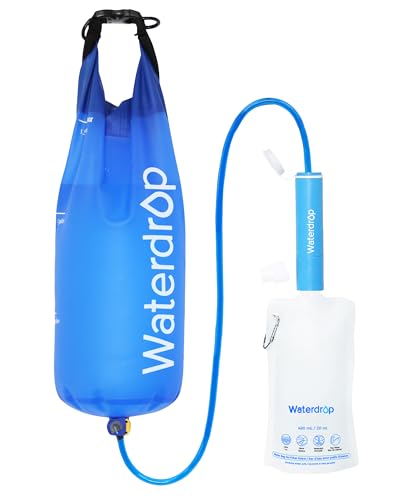
This gravity-fed system pairs a compact straw with a large 1.5-gallon gravity bag. Five-stage filtration leverages coconut shell activated carbon and a 0.1-micron ultrafiltration membrane to remove chlorine, particulates, sediment, and odors, delivering safer tasting water. The large bag supports multi-liter needs, making it well-suited for groups or longer outings. The device is designed for simple operation without pumping, but it also accommodates longer lifespans, with substantial capacity before filter replacement. If you want a lightweight, easy-to-use option ideal for vehicle or base-camp setups, this Waterdrop setup offers a good balance of capacity and portability.
Sawyer SP128 Mini Water Filtration System

Sawyer’s SP128 is renowned for its compact, palm-sized design. The 0.1-micron absolute inline filter removes bacteria and protozoa, and the kit includes multiple attachment options—drinking pouch, standard bottles, hydration packs—or direct suction from a water source via the included straw. It’s a strong choice for hikers and travelers who prioritize minimal weight and quick setup. While not as fast as some electric or gravity systems, its portability and reliability make it a staple in many emergency kits and day trips, particularly when every ounce matters.
LifeStraw Personal Water Purifier
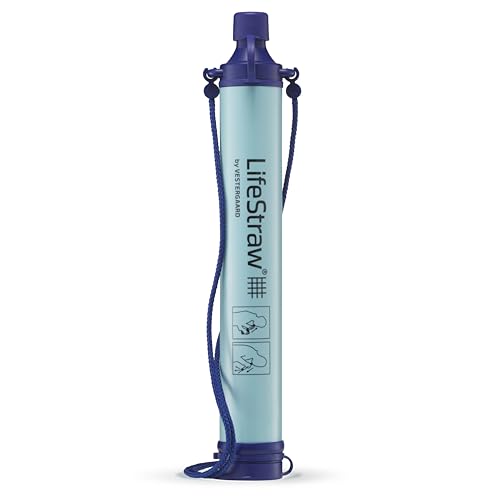
LifeStraw’s Personal Purifier is a widely recognized, lightweight option that removes bacteria and parasites through a microfiltration membrane. Its water purification performance is well-documented, with claims verified under laboratory standards. This purifier also reduces turbidity and microplastics, contributing to safer drinking water on the trail. The straw design makes it ideal for quick, one-person use when you’re on the move, and it integrates easily into a compact emergency kit. For solo travelers prioritizing simplicity and proven field performance, LifeStraw remains a reliable pick.
Greeshow Electric Portable Water Filter

The Greeshow system combines several charging methods—solar, USB, and hand crank—plus a built-in 3000 mAh emergency power bank. It uses a 0.01-micron ultrafiltration membrane with a layered cartridge including PP cotton, KDF, and activated carbon to deliver clean water at a quick rate (up to 700 ml/min) and offers safety in power-scarce environments. Its start button design simplifies use, and the emergency power bank adds utility beyond water purification, such as charging small devices during trips or disasters. This model is attractive for those who want a versatile purifier with backup power in one package.
Buying Guide: Key Considerations For Portable Water Filtration
When choosing a portable water filter for camping, you should weigh several important factors to ensure you get a system that fits your needs. Consider water sources, group size, weight, maintenance, and overall reliability. Below are core considerations to guide your decision:
- Filtration vs. purification: Filtration removes particulates and some contaminants; purification steps, such as activated carbon or chemical treatments, address odors and tastes. For backcountry use, prioritize systems with proven microbe reduction (bacteria, parasites) and chemical filtration when necessary.
- Source water variability: If you expect muddy streams or heavily chlorinated water, choose systems with robust pre-filters and larger flow rates. Gravity-fed and pump models handle variable sources with less effort than small straw purifiers.
- Flow rate and capacity: For solo trips, lightweight purifiers with modest flow are sufficient; for groups, prioritize higher flow or larger reservoir capacity to minimize time pumping. Consider per-minute flow and total lifecycle gallons between filter changes.
- Weight and packability: Ultralight hikers may prefer compact purifiers like mini pump or straw designs. Car campers may opt for gravity systems with higher overall throughput and larger bags.
- Power and reliability: Electric models add convenience but require power sources. Solar or USB charging helps, yet always have a manual backup or second filtration method in case of power loss.
- Maintenance and parts availability: Look for filters with replaceable cartridges and accessible replacement parts. Field maintenance should be straightforward with clear instructions and readily available replacements.
- Ease of use in emergencies: A simple one-handed operation, quick-start features, and clear indicators reduce hesitation in challenging environments.
- Durability and materials: Food-grade materials, BPA-free components, and rugged housings improve longevity in rough outdoor conditions.
In choosing among the five highlighted options, align your pick with typical water sources, whether you hike solo or with a group, and how important factors like speed, ease of use, and redundancy are for you. A well-matched system delivers safe drinking water without adding unnecessary weight or complexity to your pack.