For campers who need reliable warmth without relying on electrical power, non-electric heaters offer practical, fuel-powered comfort in tents, RVs, or backcountry shelters. This guide highlights five portable, non-electric options and compares their heating style, fuel type, safety features, and suitability for limited spaces. Read on to explore options from trusted brands and understand how to choose the right heater for outdoor trips, emergencies, or remote camping sites.
| Product | Fuel Type | Approx. Area Heated | Notes |
|---|---|---|---|
| Mr. Heater F232017 MH9BXRV Buddy Grey Indoor-Safe Portable RV Radiant Heater | Propane | Up to 225 sq ft | Indoor/outdoor use; auto shut-off features |
| 9,000 BTU Portable Buddy Radiant Propane Heater | Propane | Up to 225 sq ft | Indoor/outdoor use; radiant heat |
| Windpost Kerosene Heater Indoor/Outdoor with BBQ Grill, 10000 BTU | Kerosene | Varies; strong warmth in small spaces | No electricity needed; dual-purpose grill/heating |
| Windpost Indoor & Outdoor Kerosene Heater With 3 Wicks, 9000 BTU | Kerosene | Broad warmth range | Three cores, compact, portable |
| Windpost Kerosene Heater With Storage Bag, 9000 BTU | Kerosene | Reliable backup heat | Portable, sturdy build |
Mr. Heater F232017 MH9BXRV Buddy Grey Indoor-Safe
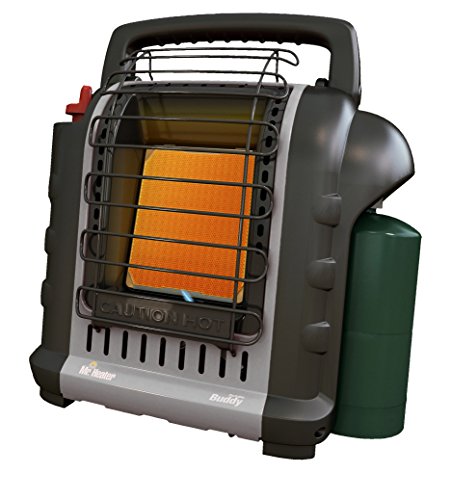
The Mr. Heater F232017 Buddy is a compact propane radiant heater designed for portability and flexible placement in camping setups. It delivers 4,000 to 9,000 BTU of warmth, suitable for spaces up to about 225 square feet. The unit is marketed as indoor-safe with clean-burning performance and efficiency near 100 percent under optimal conditions. Safety features include auto shut-off if tipped, pilot light issues, or low oxygen conditions. A note for high altitudes: some shutdowns may occur above 7,000 feet. This model supports RV or cabin-like spaces where reliable warmth is needed without electrical power.
9,000 BTU Portable Buddy Radiant Propane Heater

The 9,000 BTU Portable Buddy provides flexible radiant heat suitable for camping tents, small cabins, or outdoor shelter setups where electricity is unavailable. It emits either 4,000 or 9,000 BTU per hour, with design assumptions for indoor and outdoor use and the capability to heat roughly 225 square feet. This model focuses on quick warmth in a portable package, making it a practical choice for campers seeking reliable heat without cords or power outlets. Always ensure adequate ventilation when using propane heaters in enclosed spaces and follow manufacturer guidance on safe operation.
Windpost Kerosene Heater Indoor/Outdoor With BBQ Grill
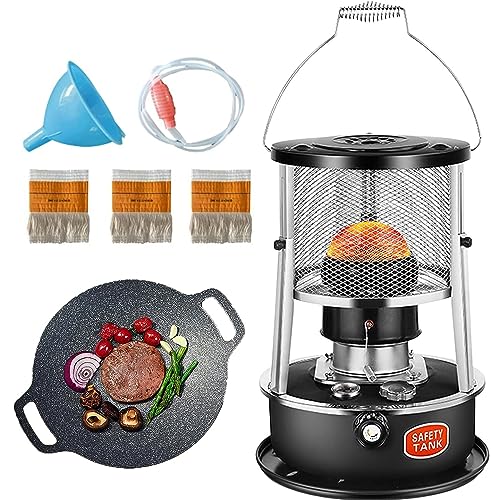
This Windpost kerosene stove runs without electricity, leveraging a combustion process designed to maximize heat output and efficiency. It emphasizes faster heating, clean burning, and quieter operation compared with electric heaters. The unit is described as durable and portable, with a design tailored for both indoor warmth and outdoor camping or emergencies. Safety features include standard flame control and protective grills, with emphasis on energy efficiency and reduced oxygen consumption. The absence of electrical power makes it a robust option during power outages or in off-grid locations.
Windpost Indoor & Outdoor Kerosene Heater With 3 Wicks

Equipped with three wicks, this Windpost kerosene heater is pitched for both indoor and outdoor use, delivering up to about 9,000 BTU. The design highlights long-lasting heat with a focus on safety and fuel efficiency. The heater’s compact footprint and carrying handle enhance portability for camping trips, emergency kits, or supplemental home heating during outages. The product emphasizes anti-dumping and safety grills, along with a design that minimizes smoke and odor when burning kerosene.
Windpost Kerosene Heater With Storage Bag, 9000 BTU
The Windpost 9000 BTU kerosene heater with a storage bag offers portable, robust warmth for camping and off-grid scenarios. The heater is designed for energy efficiency, quiet operation, and safe use without electricity. Its portability and protective grills make it suitable for compact tents or RV compartments where space is limited. The design also emphasizes a durable build and ease of transport, useful for trekkers and travelers who rely on fuel-powered warmth rather than electric heating systems.
Buying Guide: Key Considerations For Non-Electric Camping Heaters
- Fuel type and availability: Propane and kerosene are common for off-grid warmth. Check local fuel availability, storage capacity, and safety considerations for indoor use.
- Heat output and space: BTU ratings indicate spacious coverage. For tents, cabins, or portable shelters, match heater BTU to space size and insulation level to avoid overheating or fuel waste.
- Ventilation and safety: Non-electric heaters burn fuel and emit combustion byproducts. Ensure adequate ventilation, use carbon monoxide detectors when appropriate, and follow manufacturer safety features such as tip-over shutoffs and oxygen sensors.
- Portability and weight: Campers value lightweight, compact designs with carrying handles or storage bags. Consider whether the heater’s weight and dimensions fit your packing plan.
- Reliability in power outages: Non-electric heaters are beneficial during outages; verify fuel efficiency and ease of fueling in remote locations.
- Safety accessories: Look for grills, spark arrestors, protective housings, and stable bases to minimize accidental contact or tip-overs in wind or uneven terrain.
- Maintenance and replacements: Some units use multiple wicks or spare parts. Check availability of replacement cores, wicks, and maintenance guidance for seasonal use.
- Usage rules for confined spaces: Always follow manufacturer guidelines about space ventilation, occupancy, and continuous operation duration to reduce risk while camping or traveling.
When choosing a non-electric camping heater, balance heat needs with safety and outdoor usage plans. Consider how often you’ll use the heater, the typical camping environment (tents vs. RVs), and how much space you need to keep warm without compromising air quality. The models above provide a range of options—from compact propane units ideal for small tents to robust kerosene stoves designed for off-grid reliability—so campers can select a model that aligns with their travel style and safety considerations.