Camping and outdoor trips can be more comfortable with a dependable portable CPAP power solution. The following picks combine high capacity, multiple recharging options, and CPAP compatibility to help you sleep soundly away from home. Each entry highlights how it powers CPAP machines while supporting other devices, so you can plan a night under the stars with confidence.
Summary of chosen products
| Product | Brand | Key Power Features | CPAP Compatibility Notes |
|---|---|---|---|
| Renogy 76800mAh 276.48Wh | Renogy | 100W PD USB-C, 12V/24V DC, 15W wireless charging | Works with CPAP via dedicated DC/CPAP cables; turn off heater/humidifier to extend runtime |
| EnginStar Portable Power Station 300W | EnginStar | 296Wh, 300W AC output, multiple ports | 2 DC outputs; supports CPAP with AC or DC usage; ideal for off-grid camping |
| Renogy 72000mAh 266Wh | Renogy | 60W PD, USB-C, 12V DC, flashlight | CPAP compatibility via 12V/15A cigarette port; no AC plug |
| Medistrom Pilot-24 Lite | Medistrom | 95Wh battery, quick recharge, lightweight | Uninterruptible backup for ResMed/S9 family; reliable travel backup |
| ALLWEI Portable Power Station 300W | ALLWEI | 280Wh, 300W peak, 9 ports | Supports CPAP alongside other devices; multiple recharging options |
Renogy 76800mAh 276.48Wh 12V Power Bank Brick

The Renogy 76800mAh power bank provides a substantial 276.48Wh capacity with upgraded 100W USB-C PD and a 12V/24V DC port for CPAP use. It supports charging multiple devices, including laptops and drones, via USB-C PD and a car socket for auxiliary gear. For CPAP applications, it works with common machines when paired with the appropriate CPAP cables. To maximize runtime, consider turning off heater and humidifier on the CPAP to reduce power draw. It includes wireless charging and multiple charging options (PD, car, wall, solar). Daily recharging is possible through a 100W USB-C input, enabling faster top-ups.
EnginStar Portable Power Station 300W 296Wh

EnginStar’s compact power station weighs about 6.5 pounds and houses a 296Wh capacity with a 300W pure sine wave AC outlet. Its eight-output port design enables charging several devices simultaneously, including CPAP units, phones, laptops, cameras, and small appliances. The device features a dual DC output (12V/24V) for stable DC-powered equipment and an advanced battery management system for safety. It supports fast USB-C charging and includes protection features to guard against short circuits and overheating. Overall, it’s a sturdy option for outdoor use where wall outlets aren’t available.
Renogy 72000mAh 266Wh 12V Power Bank

This Renogy model delivers a robust 266Wh with a 60W PD USB-C port and dual USB-C/USB-A options, plus a 12V DC output. It’s designed for higher-capacity off-grid use and can run CPAP devices by utilizing the DC output. The trade-off is that it lacks a traditional AC outlet, so CPAP setups relying on AC power will require an adapter. Nevertheless, it supports multiple devices at once and offers a high conversion efficiency with an emphasis on portability and reliability in remote settings.
Medistrom Pilot-24 Lite

Medistrom Pilot-24 Lite Bundled with cables offers a 95Wh CPAP battery backup designed for ResMed S9, AirSense 10, and AirMini devices. It emphasizes uninterrupted sleep during outages and quick recharge (2-3 hours). The system uses a lightweight, durable build with authentic LG cells for reliability over many cycles. It’s particularly suited for travelers who need a compact, TSA-friendly backup power solution that can be charged on-the-go and used as a standalone power source for compatible PAP devices.
ALLWEI Portable Power Station 300W
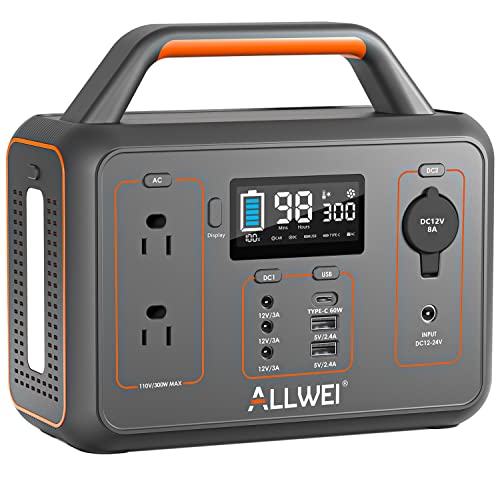
ALLWEI’s 300W portable power station provides a solid 280Wh capacity with a 110V pure sine wave AC outlet and nine ports for charging multiple devices, including CPAP machines. It offers three recharging methods—AC, car, and solar panel—plus a built-in MPPT controller for efficient solar charging. The device is suited for camping, RV trips, and emergency preparedness where quiet operation and broad compatibility matter. Its multiport design supports CPAP alongside phones, tablets, and small appliances, making it a versatile outdoor power hub.
Buying Guide: Key Purchase Considerations
- CPAP compatibility and runtime: Look for DC ports or AC outlets compatible with your CPAP model. Check the wattage draw of your CPAP (heater, humidifier can dramatically increase consumption) and ensure the power bank’s capacity supports at least a night’s use with a safety margin.
- Power delivery and charging speed: USB-C PD ports are highly desirable for fast recharging of laptops and phones. Consider models with 60W or higher PD output for faster top-ups.
- Recharge options: A mix of USB-C PD, car adapters, AC outlets, and solar charging helps maximize uptime in the outdoors. Solar charging is especially helpful for extended trips.
- Port variety: Multiple USB-A, USB-C, DC outputs, and an AC outlet increase compatibility with a range of devices beyond CPAP machines.
- Portability vs capacity: Higher capacity often adds weight. Balance your need for runtime with how easy it is to carry the package on hikes or overnight trips.
- Safety and reliability: Look for battery management systems, overcharge/short-circuit protection, and certified components. Durable builds and solid warranties can reduce risk during outdoor use.
- Reliability of CPAP accessories: If your CPAP requires specific cables or adapters, factor these into your packing list and ensure you have the right connectors before a trip.
- Weight and form factor: Smaller, lighter options improve portability for backpacking, while larger units may be better for car camping or RV use where weight is less critical.