Living off the grid often means optimizing for waterless operation, odor control, and self-contained waste handling. The following selections focus on compact, portable, and self-contained toilets that perform reliably in off-grid cabins, tiny homes, camps, and boats. Each option prioritizes ease of use, durability, and practicality for remote settings.
| Product | Brand | Type | Key Benefit |
|---|---|---|---|
| Modiwell Dry Flush Toilet – Waterless | Modiwell | Waterless, self-contained portable toilet | One-click flushing; odor control; 350 lb support |
| OGO Origin Composting Toilet | OGO | 12V electric agitator; urine-diverting | Compact footprint; no black tank; easy daily use |
| Laveo Dry Flush Toilet | Laveo | Waterless, portable, self-contained | Odor-free operation; included cartridges and consumables |
| Cuddy Composting Toilet | Compo Closet | Odorless, waterless self-contained | 3.9 gal capacity; no chemicals; compact installation |
| Separett Weekend Prime | Separett | Urine-separating compost toilet; non-electric | Fully manual; ideal for ultra off-grid needs |
Modiwell Dry Flush Toilet – Waterless, Odorless

The Modiwell Dry Flush Toilet offers a waterless, self-contained design with one-click flushing. It uses automatic thermal waste disposal technology to seal the waste bag after pressing Start, eliminating daily cleanup. The system emphasizes odor control with sealed waste bags and a coagulant to prevent leaks and smells. A sturdy stainless steel support structure accommodates up to 350 pounds, enhancing stability for diverse users. The portable unit is designed for RVs, vans, boats, tiny houses, and off-grid living, aiming to simplify waste management in remote settings.
OGO Origin Composting Toilet
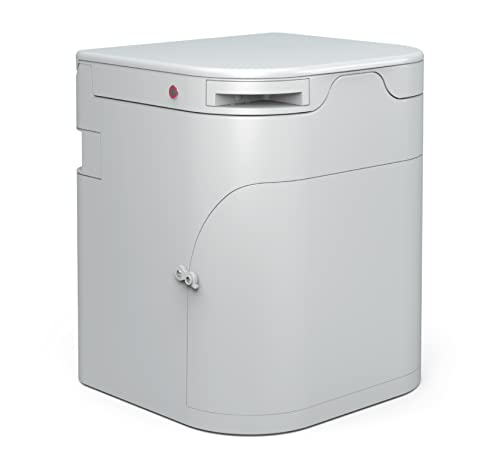
The OGO Origin combines a compact 12V electric agitator with a urine-diverting system. Its footprint (15″ x 16″) is designed for tight builds in Sprinter/Transit vans, tiny homes, and boats, allowing installations where space is at a premium. The push-button electric agitator eliminates cranking and manual handling, improving daily usability. The urine-diverting design keeps liquids separate from solids, reducing odor and simplifying storage; the dry waste remains in the rear bin for more efficient odor control and hosting confidence in off-grid environments.
Laveo Dry Flush Toilet

The Laveo Dry Flush Toilet is a waterless, portable, self-contained solution designed for off-grid living. It ships with a battery and charger, cables, two cartridges, and a bottle of pee powder to extend cartridge life. It offers straightforward operation with no bulking materials or chemicals required. When a cartridge fills, the user simply removes the sealed bag. The system emphasizes 100% odorless performance through a patented waste containment design and an airtight cartridge system, making it suitable for tiny homes, vans, boats, camping, and RVs.
Cuddy Composting Toilet

The Cuddy Composting Toilet is a compact, self-contained system designed for RVs, vans, boats, and cabins. It occupies a small footprint and offers easy installation with a 3.9-gallon waste chamber. A manual mixer assists airflow and maintenance without daily top-ups or disassembly. The unit includes an integrated odor control system with a fan and filter, and its design uses a sealed liquids bottle to minimize smell. With its rugged construction, the Cuddy is well-suited for mobile living in off-grid conditions.
Separett Weekend Prime Urine-Separating Compost Toilet
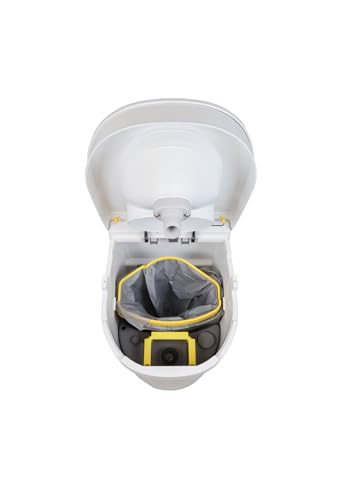
The Separett Weekend Prime is designed for off-grid locations without electricity, water, or sewage access. It operates fully manually, eliminating reliance on power or ventilation. The unit uses an internal urine diversion system to separate liquids from solids, reducing odor and simplifying storage. It is an ideal solution for wilderness cabins, camps, or emergency bunkers where a simple, reliable, non-powered toilet is essential.
Buying Guide: Key Purchase Considerations For Off-Grid Cabins
- Waste handling type: Waterless vs. composting vs. dry-flush. Waterless models reduce water use and simplify maintenance but require waste bags or cartridges. Composting units separate liquids and solids to reduce odors and avoid black tanks, but may require occasional manual maintenance.
- Odor control: Look for airtight waste bags, sealed cartridges, fans/filters, and urine-diverting features to minimize smells in confined spaces.
- Power and installation: Off-grid sites vary in electricity availability. Non-electric or 12V electric agitators are advantageous in remote cabins; consider battery life and charging options.
- Capacity and footprint: Small footprints help in tight cabins and boats. Consider waste chamber volume and how often you’ll empty or replace bags, especially if hosting guests.
- Durability and materials: Stainless steel legs, rugged housings, and splash-proof components extend life under rough terrain and transport.
- Ease of maintenance: Simple disassembly, intuitive operation, and straightforward bag/cartridge replacement reduce downtime and learning curves for guests.
- odor management ecosystem: Some systems pair with deodorizing cartridges, carbon filters, or odor-reducing powders. Evaluate availability and cost of consumables over time.
When choosing among these options, match the toilet type to your off-grid lifestyle priorities: minimal water use, ease of use, space constraints, and your maintenance tolerance. For tiny homes or vans with tight layouts, the OGO Origin and Separett Weekend Prime offer compact, space-conscious designs with different maintenance profiles. For RVs and boats requiring quick, waterless operation, the Modiwell and Laveo provide convenient, self-contained solutions with reliable odor control. The Cuddy model adds a compact, no-chemicals composting approach, while the Separett option emphasizes purely manual off-grid operation without electricity. Assess how often you host guests, the local climate, and your willingness to manage waste bags or cartridges to select the best fit for your off-grid cabin.