When packing for outdoor trips, a compact sleeping bag can save space, weight, and setup time. The following selections emphasize small packed size, lightweight materials, and reliable warmth or protection. Each option includes a compression sack or streamlined design to help you travel lighter without sacrificing comfort.
| Product | Brand | Packed Size Feature |
|---|---|---|
| ECOOPRO Warm Weather Sleeping Bag (83″ L x 30″ W) | ECOOPRO | Compresses to 11″ height, about 1.7 lbs |
| TETON LEEF Lightweight Mummy Sleeping Bag | TETON Sports | Compact with included compression sack |
| TETON Trailhead, 20 Degree Sleeping Bag | TETON Sports | Roomy yet easily stuffed, microfiber insulation |
| ECOOPRO Portable Sleeping Bag (Compression Sack) | ECOOPRO | 83″ x 30″ with compact carry |
| 0 Degree Winter Sleeping Bag (rioyalo) | rioyalo | Very compact with included compression sack |
These options cover a range of temperatures and uses—from warm-weather backpacking to cold-season trips—while prioritizing compressed storage and easy packing. Read on for detailed overviews, zip features, and how each bag stacks up against the others for portability and warmth.
ECOOPRO Warm Weather Sleeping Bag (84 Inches)
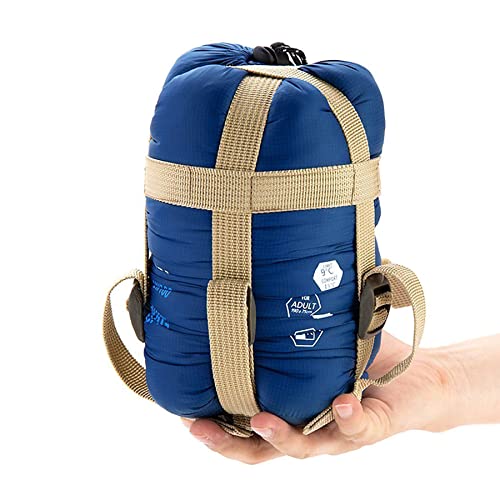
This ECOOPRO bag is designed for warm nights and light trekking. Its outer nylon shell is waterproof and durable, while the lining uses breathable polyester for skin-friendly comfort. The bag is engineered to maintain comfortable temperatures around 55–60℉, helping ensure a good night’s rest with minimal bulk. The sleeping bag measures 83 inches long and 30 inches wide, suitable for most adults or two children, and it’s crafted to withstand outdoor conditions with weatherproof sealing and a smooth zipper. Importantly, it compresses down to about 11 inches in height and weighs roughly 1.7 pounds, aiding quick packing for backpackers.
Key features include a compact and lightweight profile, a weatherproof design, and a practical compression routine with a dedicated carry sack. The envelope-style construction favors easy rolling and packing, which reduces setup time at the campsite. While the temperature rating suits warm-weather travel, users should consider layering or a liner for cooler nights. This bag caters to minimalist hikers who value a low-weight, low-volume option without sacrificing essential comfort.
TETON LEEF Lightweight Mummy Sleeping Bag

The TETON LEEF is designed for ultralight comfort on backpacking trips. It uses a mummy shape to maximize warmth while keeping bulk to a minimum. The bag is paired with a compression sack that makes it easy to reduce size inside a pack without compromising insulation. Its design supports a compact profile while still providing a comfortable fit for most adults. This model is well-suited for users prioritizing travel-friendly weight without sacrificing warmth and mobility on the trail.
Highlights include an ultralight construction, a roomier feel within a compact form, and efficient insulation that preserves loft when compressed. The included compression pieces help minimize volume, making it easier to fit into tight pack compartments. The sleeping bag remains practical for backcountry excursions where space and weight are critical, and its simple pack-down method aids quick transitions between hiking and camping activities.
TETON Trailhead, 20 Degree Sleeping Bag

The Trailhead model emphasizes comfort and efficient packing. Its innovative fill packs down without compromising warmth, offering a generous footbox and a draft tube along the zipper to minimize heat loss. A dedicated stuff sack helps avoid the common “fight to compress” scenario, making it easier to stuff the bag back into its pack. The microfiber insulation provides loft and warmth without excessive bulk, supporting a lightweight profile that still delivers robust performance in cool or transitional seasons.
As a versatile option, the Trailhead balances comfort with travel-friendly compression. The design encourages minimal fuss during both setup and breakdown, making it a practical choice for backpackers who want reliable warmth with straightforward packing. The bag’s loft and micro-fiber insulation aim to maximize warmth-to-weight ratio, essential for moving efficiently on longer treks or multi-day trips.
ECOOPRO Portable Sleeping Bag With Compression Sack
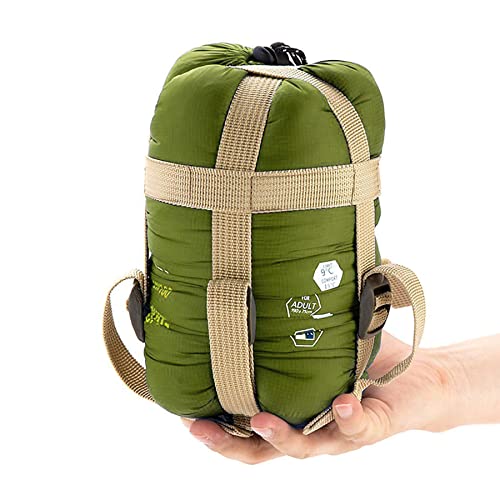
This ECOOPRO bag is crafted for portability in outdoor adventures. The outer nylon shell offers waterproof durability, while the interior lining uses breathable polyester. It is designed to maintain comfort in the 55–60℉ range, providing a cozy sleep environment. The bag’s measurements align with standard adult use (83 inches by 30 inches), and its compression-friendly construction allows rolling into a compact form with a weight around 1.7 pounds. The included compression sack simplifies transport, making it a practical choice for hikers who need to minimize luggage.
The design emphasizes ease of use: waterproof and weatherproof construction, a smooth zip, and a fast packing process. The bag’s envelope style supports quick setup and breakdown, while its compact form factor is ideal for day-to-day backpacking needs. This model is a staple for those who want a reliable, compact sleeping bag that’s simple to carry and store after a night outdoors.
0 Degree Winter Sleeping Bag – rioyalo

The rioyalo bag is built for winter conditions, offering a compact and highly portable solution with a compression sack. It’s designed to accommodate tall users and big-and-tall builds, with dimensions that support longer torsos and fuller frames while remaining packable. The bag’s 5–32 ℉ temperature range supports cold-season camping, with a helpful balance of warmth and compressibility, particularly useful for travelers who must keep volume and weight down in winter packs. A machine-washable exterior adds maintenance simplicity for frequent outdoor use.
Note that the bag’s warmth rating is a guideline and individual comfort varies. The compression-ready design helps to minimize space in a backpacking setup, though it may be bulkier than some dedicated summer bags due to extra insulation. It remains a compelling option for campers who need cold-weather protection without sacrificing the ability to compress the bag into a small footprint.
Buying Guide: Key Considerations For Choosing A Compressible Sleeping Bag
- Temperature rating and comfort range: Match the bag’s rating to the typical temperatures you expect. If you often camp in shoulder seasons, consider a bag with a comfortable margin or a separate liner for layering.
- Weight and packed size: Look for synthetic insulation variants when humidity is a concern or you need quick dry-out; down may reduce weight but requires careful care. Check the stated packed size to assess the bag’s portability.
- Material and durability: Durable nylon shells with water resistance extend life in harsh environments. Breathable linings improve sleep comfort, particularly in milder temperatures.
- Compression method: A dedicated compression sack or built-in packing compression helps reduce bulk. A bag’s envelope-style design may compress more easily but consider trade-offs in loft and warmth.
- Shape and fit: Mummy shapes optimize warmth and compression, while rectangular or roomy mummy designs offer more movement. Footbox space affects comfort when sleeping on side or with stretched legs.
- Longevity and care: Machine-washable options simplify maintenance. Drying times and care instructions affect usability in long trips or frequent weekend outings.
- Value and versatility: If you hike in varied climates, consider a multi-season bag or a warm-weather bag with layering options. A reliable compression sack can extend packing efficiency across trips.
- Safety and emergency use: For survival scenarios, ultra-large emergency bags can provide shelter, warmth, and a barrier against the elements. Consider such bags as a supplemental item for preparedness.
When selecting a compressible sleeping bag, assess how often you will benefit from a smaller packed size versus the comfort and warmth you require. For frequent weekend hikers, lighter weights and smaller packs often justify higher initial costs. For winter travelers, a well-insulated, weatherproof bag that compresses effectively can dramatically improve comfort in harsh conditions. The options above cover a spectrum of use cases, ensuring that most American backpackers and campers can find a suitable balance of warmth, compactness, and price.