Green propane tanks are a convenient, portable fuel source for camping stoves, grills, and heaters. This guide highlights five compact, widely available options and accessories that work well with small 16 oz and 1 lb cylinders. Each pick focuses on reliability, safety, and easy refilling or storage to help outdoor enthusiasts and backyard cooks plan ahead.
| Product | Brand | Size | Notes |
|---|---|---|---|
| Coleman 2 Pack Propane Fuel Tank | Coleman | 16 oz | Green; fits standard portable appliances |
| Flame King Refillable 1LB Cylinder | Flame King | 1 lb | Green; refillable, DOT certified |
| CALPOSE Propane Refill Adapter | CALPOSE | Adapter only | Facilitates quick refills for 1 lb bottles |
| GASPRO Upgraded Refill Adapter | GASPRO | Adapter only | 90-degree elbow for easier filling |
| Fulvitaly Small Propane Tank Storage Bag | Fulvitaly | N/A | Protective carry bag for 16 oz tanks |
Coleman 2 Pack Propane Fuel Tank
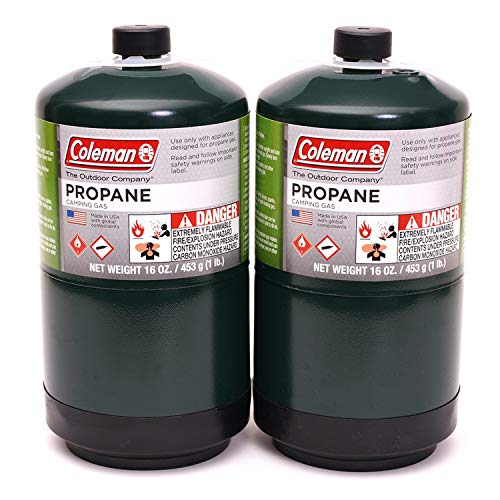
Coleman’s 16 oz green propane tanks are designed to fit most standard portable appliances, tabletop grills, and torches. The lightweight steel construction supports easy transport and storage, while the plastic components contribute to cost efficiency and accessibility for casual users. These tanks are suitable for occasional outdoor cooking and light-duty applications where compact fuel is preferred.
Flame King Refillable 1LB Cylinder

The Flame King 1 lb refillable propane cylinder is a compact, durable option that emphasizes reuse and waste reduction. It is certified for safe refill and transport, addressing environmental concerns associated with disposable cylinders. This green-tinted cylinder is designed for a variety of portable gas appliances, from small grills to outdoor heaters, offering a legal, reusable alternative to disposables.
CALPOSE Propane Refill Adapter
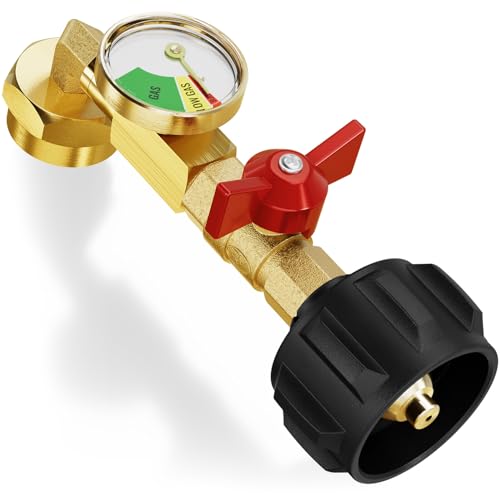
The CALPOSE adapter enables quick refills of 1 lb bottles from larger tanks. Its 90-degree elbow helps gas flow smoothly into smaller cylinders, while the ON-OFF valve minimizes leaks. An integrated gauge supports rapid monitoring of the large tank’s remaining gas, reducing the risk of mid-refill shortages during outdoor cooking or camping trips.
GASPRO Upgraded Refill Adapter
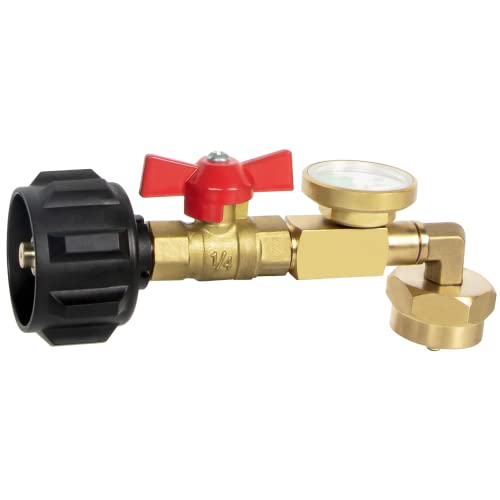
GASPRO’s refill adapter is built with a solid brass connection and a 90-degree elbow to ease refilling of 16 oz cylinders from a 20 lb tank. The device features an ON-OFF control valve to prevent leaks and a gauge to monitor remaining gas. This option supports safe, controlled transfers and is compatible with common 1 lb and larger propane systems used by campers and outdoor chefs.
Fulvitaly Small Propane Tank Storage Bag

Fulvitaly’s protective storage bag is designed for 16 oz propane tanks, offering padded protection and a stable carry arrangement. The bag’s 600D fabric and reinforced zippers deliver durability for outdoor use, and padded dividers reduce movement during transport. This accessory helps keep small tanks organized and shielded from impact in backpacks or vehicle trunks.
Buying Guide: Key Purchase Considerations
- Tank size and compatibility: Choose 16 oz or 1 lb cylinders based on your stove or grill’s fuel compatibility. Ensure the tank is compatible with your appliance’s regulator and connectors.
- Fill and refill options: Refillable cylinders reduce waste and long-term costs, but require access to proper refill stations and DOT-compliance for safe transport.
- Safety features: Look for secure valve designs, leak-prevention mechanisms, and robust construction to minimize risks during transport and use.
- Portability and durability: For camping and travel, compact tanks should still withstand handling and varying weather conditions.
- Accessories and storage: A storage bag or organizer helps protect tanks, while refill adapters simplify transferring gas between tanks without spills.
- Environmental considerations: Reusable cylinders and responsible disposal of old or damaged canisters support eco-friendly practices.
- Regulatory compliance: Ensure any refillable device or adapter complies with local regulations and DOT standards for safe transport and use.
- Cost vs. convenience: Weigh the upfront price of refillable options against ongoing costs of disposables, factoring in refill station accessibility and travel plans.