For travelers and outdoor enthusiasts, a compact, lightweight backpack can be a game changer. The following picks are 5 highly portable, packable options that balance capacity, durability, and comfort. Read on to compare key specs and features, then use our buying guide to choose the right one for your needs.
Product Snapshot
| Product | Capacity | Folded Size | Weight (approx.) | |
|---|---|---|---|---|
| MIYCOO Backpack | 45L | 4.9 x 3.9 x 7.8 in | Very light | Waterproof, durable, large compartments |
| G4Free 20L | 20L | Unfolds to 16.5 x 11.8 x 6.3 in | Lightweight | Ultra-portable with multiple pockets |
| SUIKIHUM 20L | 20L | 11.79 x 4.32 x 16.11 in (unfolded) | Very light | Water-repellent, scratch- and wear-resistant |
| WATERFLY 25L | 25L | 18.5 x 12.2 x 6.7 in | Light | Reflective pattern, chest strap, recyclable nylon |
| ZOMAKE 20L | 20L | 6.7 x 6.7 x 1.97 in (folded) | Ultra-light | Compact fold, durable zippers |
Note: All products are designed for everyday travel, day trips, and light outdoor use. The features below summarize how each option meets the needs of mobility, organization, and weather resistance.
MIYCOO Backpack

MIYCOO offers a 45L capacity in a packable, lightweight form. The bag folds into an inner pocket for compact storage and unfolds to a substantial size for extended trips. It is crafted from waterproof fabric with an IPX4 rating, protecting contents from splashes during workouts or light rain. Durable heavy-duty zippers and reinforced stress points support daily activities, making this a practical choice for hikers and urban travelers alike. Three compartments enable organized packing, including a dedicated wet compartment to keep damp items separate from dry ones. The fold-and-go design helps minimize baggage while retaining ample space for gear, clothing, and essentials.
Key considerations:
- Pros: Large capacity, waterproof, durable, organized layout
- Cons: Heavier than ultra-minimalist compact packs in this list, depending on load
- Best use: Weekend trips, city travel, light hiking with gear
G4Free 20L

G4Free’s 20L option emphasizes minimal weight with a compact profile. It can be folded into a built-in pouch, roughly the size of a sandwich, making it easy to stash in luggage or a larger daypack. The main body opens to a roomy 16.5 x 11.8 x 6.3 inches, and multiple pockets help keep items such as tablets, clothes, and travel essentials organized. The bag uses water- and tear-resistant polyamide with reinforced stitching in multiple places, ensuring durability through routine travel and outdoor activity. A zipper design update reduces the risk of snagging, contributing to smoother use during trips.
Key considerations:
- Pros: Ultra-portable, organized compartments, durable fabric
- Cons: No extra pouch carrying with; may feel small for longer trips
- Best use: Day trips, light travel, quick errands during travel
SUIKIHUM 20L Ultra Hiking-Daypack
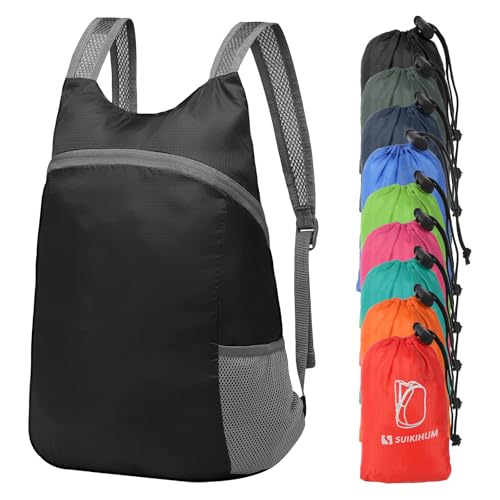
SUIKIHUM’s 20L pack focuses on a lightweight, foldable design with strong wear resistance. Made from polyester with a water-repellent coating, it withstands outdoor use for hiking and cycling. Weighing only a few ounces, this bag compresses into a tiny footprint, then expands to hold clothing, water, and other essentials. The 11.79 x 4.32 x 16.11 inch unfolded size provides adequate volume for a day’s needs while still fitting easily into larger backpacks when not in use. The bag emphasizes practicality and easy storage without sacrificing capacity for daily activities.
Key considerations:
- Pros: Extremely light, compact storage, water-repellent
- Cons: 20L capacity may be limiting for longer trips without additional bags
- Best use: Quick trips, cycling, light hiking, travel daypack backup
WATERFLY 25L Hiking Packable Daypack
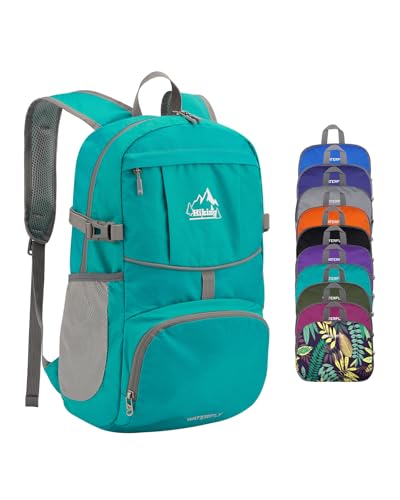
WATERFLY delivers a 25L daypack that weighs about 0.6 pounds, combining light weight with a roomy interior. The pack unfolds to roughly 18.5 x 12.2 x 6.7 inches, yet folds into a compact form, just like a wallet. Constructed from water-resistant, durable materials and recyclable nylon, it emphasizes sustainability alongside practicality. The backpack features adjustable shoulder straps, a chest strap with a whistle, and multiple pockets to organize essentials such as a laptop, water bottle, or travel documents. Reflective hiking patterns add visibility for dusk or dawn outings, boosting safety in low-light conditions.
Key considerations:
- Pros: Moderate capacity, reflective visibility, sustainable materials
- Cons: Not fully waterproof; suitable for light rain or drizzle
- Best use: City travel, day hikes, travel backup pack
ZOMAKE Ultra Lightweight 20L Packable
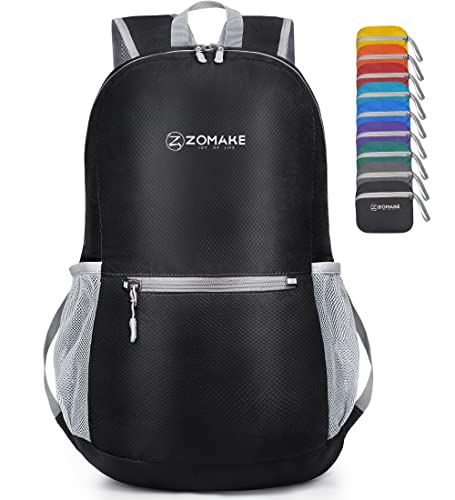
ZOMAKE’s 20L packable backpack is a true ultra-light option with a compact footprint. It measures 17.71 x 5.5 x 10.6 inches and folds down to 6.7 x 6.7 x 1.97 inches, making it ideal for tucking into larger luggage or a carry-on. The 20L capacity is ample for a day’s essentials, with a main compartment plus pockets for organization. Nylon fabric provides water resistance and durability, while the two-way SBS zipper helps prevent snagging. The design emphasizes portability without sacrificing basic structure or comfort for short trips, weekend getaways, or as an emergency backup bag.
Key considerations:
- Pros: Extremely compact when folded, lightweight, durable zipper
- Cons: 20L capacity may require careful packing for longer trips
- Best use: Air travel, city sightseeing, emergency backup bag
Buying Guide: How To Choose A Light, Packable Backpack
When selecting a lightweight, packable backpack, consider these factors to ensure you pick the best option for your activities and climate:
- Capacity vs. weight: Choose a bag that fits your typical load. 20–25L is ideal for daily use or short trips, while 30–45L suits longer weekend getaways. Balance capacity with the bag’s own weight to maximize packability.
- Packability: Look for a bag that folds into its own pocket or compresses to a small size. This is especially useful for long trips where space is at a premium.
- Material and durability: Water resistance matters for unpredictable weather; look for coated nylon or polyester and reinforced seams. Zippers should be snag-free and sturdy.
- Weather resistance: IPX ratings indicate splash protection but may not be fully waterproof. Consider a rain cover or additional waterproof layer if you’ll be exposed to heavy rain.
- Organization: Multiple compartments, side pockets, and inner sleeves help you keep items accessible and orderly during travel or outdoor activities.
- Comfort features: Padded straps, chest/waist straps, and breathable back panels improve comfort on longer days, especially when carrying more weight.
- Safety and security: Features like RFID-blocking pockets or hidden back pockets can add peace of mind when traveling in crowded areas.
- Maintenance: Easy-to-clean fabrics and durable zippers extend the life of the bag in outdoor use.
- Environmental impact: Recycled fabrics and recyclable materials are worth considering for sustainability-minded shoppers.
In sum, the best lightweight backpack depends on your typical use: daily commutes and city exploration favor compact, highly packable models; weekend trips benefit from moderate capacity with robust organization; while occasional longer excursions might warrant a larger packable option with more storage and sturdier construction. Matching features to planned activities ensures reliable performance without sacrificing portability.