For backpacking, a light sleeping bag balances warmth, weight, and compressibility. This article highlights five lightweight options that pair well with breathable fabrics, compact packs, and variable weather. Each product is chosen for portability, comfort, and suitability for outdoor treks across the American landscape. Read on to compare features, see quick-fit details, and learn what to consider when selecting your next trail companion.
| Product | Brand | Weight (approx) | Temperature Range (approx) | Packability |
|---|---|---|---|---|
| Naturehike Lightweight Compact Sleeping Bag | Naturehike | 1.68 lbs | 59–77°F | Very compact |
| TETON Sports LEEF Ultralight Mummy | TETON Sports | Lightweight | 3–4 season comfort | Includes compression sack |
| ECOOPRO Warm Weather Sleeping Bag | ECOOPRO | 1.7 lbs | 55–60°F comfort | Compact envelope design |
| MalloMe Sleeping Bags for Adults | MalloMe | Around 3 lbs | 50–77°F | Includes compression sack |
| REDCAMP Ultra Lightweight Sleeping Bag | REDCAMP | ~1.5 lbs | 59–77°F | Compact and light |
ECOOPRO Warm Weather Sleeping Bag
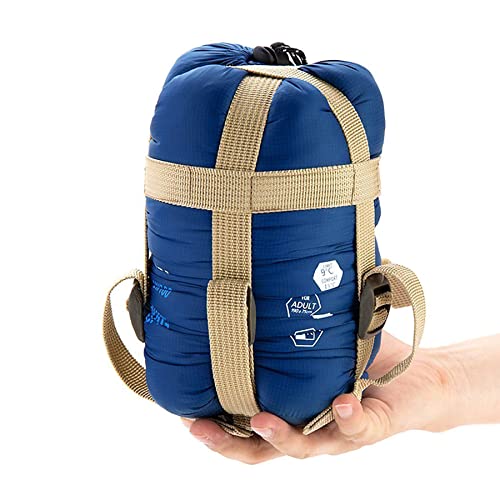
The ECOOPRO envelope-style bag emphasizes compactness and ease of use for backpackers. It uses waterproof nylon outer material and a breathable polyester lining to create a comfortable sleep environment in warm to mild conditions. The bag is designed to roll up into a small carrying sack and compresses to about 11 inches in height, with a light weight of roughly 1.7 pounds. A smooth zipper adds to quick access and versatile venting for warmer nights on the trail.
Key features include a temperature range suitable for comfort between 55°F and 60°F, water resistance, and a durable build intended for repeated outdoor use. The design supports solo use or shared space for young hikers, and the breathable lining helps prevent overheating during summer treks. Overall, it prioritizes portability without sacrificing a reasonable sleeping environment for warm-weather camping.
TETON Sports Trailhead, 20 Degree Sleeping Bag

This sleeping bag emphasizes comfort and warmth with a well-designed draft tube and a soft liner. It packs down efficiently and includes a stuff sack to streamline packing after long days on the trail. The fabric is selected to balance durability and weight, making it a practical option for backpackers who value a roomy feel with controlled bulk. The bag’s insulation is tailored to deliver warmth without excessive weight, suitable for early-season or shoulder-season trips where space and weight are at a premium.
Features highlight a roomy footbox, a reliable zipper system, and compressibility that supports multi-day treks. The Trailhead is positioned as a versatile choice for hikers who want a warm sleeping bag that still travels light, without compromising on space inside the bag for legs and movement during sleep.
TETON LEEF Ultralight Mummy Sleeping Bag

The LEEF model emphasizes ultralight construction and a compact footprint. It is designed for comfort without bulk, with a mummy shape that reduces unused space while maintaining warmth. The included compression sack aids packing efficiency, and the bag’s insulation focuses on achieving loft and warmth for backpacking and hiking. This makes it well-suited for travelers who prioritize minimal weight yet still require dependable insulation on variable outdoor nights.
Several design touches target ease of use, including simple packing and a form that helps eliminate excess air. The combination of weight savings and warmth is aimed at longer treks where every ounce matters, making it a strong choice for seasoned backpackers seeking a streamlined sleep solution.
Naturehike Lightweight Compact Sleeping Bag

Naturehike offers a featherweight feel with a compact build. Weighing roughly 1.68 pounds and compressing to a small bundle, this bag focuses on easy transport for hikers who plan to cover significant mileage. Its roomy dimensions (about 80.7 inches by 33.5 inches) provide ample space for an average adult, while the 80-gram per square meter insulation helps deliver warmth without adding bulk.
The bag touts a waterproof construction and a simple, functional zipper system. The combination supports backpacking and travel where quick setup and reliable performance are essential. It suits early-season or milder-weather trips well, especially when minimizing pack weight is a top priority.
MalloMe Sleeping Bags for Adults
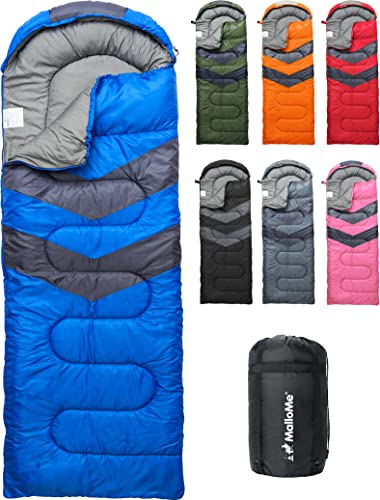
MalloMe targets a broad audience with a versatile, year-round rated bag. Its temperature range from 50°F to 77°F makes it suitable for spring, summer, and fall. The bag’s shell is designed to be waterproof and durable, with a breathable inner lining for comfort. The design also emphasizes a compact profile and a compression sack, which helps campers minimize packing mass when traveling light on multi-day trips.
The bag’s size accommodates most adults, and the exterior fabric is engineered for weather resistance while maintaining a soft interior for a restful night’s sleep. It balances warmth and weight with practical features for families or solo backpackers who want a single bag for varied conditions.
REDCAMP Ultra Lightweight Sleeping Bag
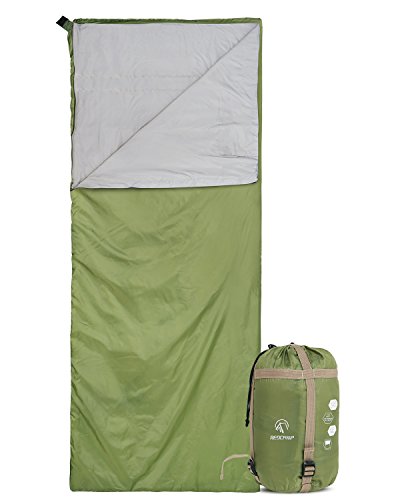
REDCAMP focuses on ultralight performance with a compact design. At about 1.5 pounds, this bag positions itself as a top pick for minimalist backpackers who still desire reliable warmth. The 75-inch length is optimized for adults up to six feet tall, and the two-way zipper supports versatile use, including the option to join two bags for a larger quilt-style setup in mild weather. The construction emphasizes durability and a practical warmth range for everyday backpacking treks.
Buying Guide
Key considerations when choosing a light sleeping bag for backpacking include weight, warmth, packability, and durability. Weight directly impacts how many miles you can cover each day, so ultralight models are ideal for long treks. Temperature rating should align with expected conditions; many warm-weather bags perform well in shoulder seasons when paired with a liner or clothing adjustments.
Fit and shape influence comfort. Mummy shapes save weight but may feel restrictive for some users, while envelope or rectangular designs offer more room but add bulk. Look for durable outer shells that resist moisture and abrasion, and inner linings that regulate moisture and feel comfortable against the skin. Zippers, drafts, and venting also affect performance in fluctuating temperatures.
Compression sacks and included straps contribute to packability, reducing bulk in your backpack. Consider compatibility with a sleeping pad, as some bags are designed to pair with specific pad thickness for optimal insulation. For multi-day trips, versatility, such as the ability to unzip for ventilation or to connect two bags, can extend usability across seasons.
Finally, assess the overall value by weighing the trade-offs between weight, warmth, durability, and price. Advanced synthetic insulation often balances warmth with dry performance in damp climates, while some ultralight bags favor compactness at the expense of maximum warmth. Selecting a bag that matches your typical trip length, climate, and packing routine will yield the most reliable comfort on the trail.