For waterfront adventures, a reliable lift-assisted kayak rack can protect your gear and reduce strain during loading. This guide benchmarks five popular lift-assisted racks, highlighting compatibility, capacity, and ease of use to help you pick the right solution for your vehicle.
| Product | Brand | Load Capacity | Key Benefit |
|---|---|---|---|
| Thule Hullavator Pro Kayak Rack | Thule | 40 lb per paddle | Waist-height loading with gas-assisted lift |
| Codinter Kayak Roller | Codinter | Up to 220 lb | Suction-cup mounting for secure loading |
| Yakima Showdown Load Assist | YAKIMA | 1 kayak or 2 SUPs | Sliding, side-loading design |
| Bonsing Kayak Roller | Bonsing | Not specified | Window-safe suction roller for curved glass |
| RAD Sportz Kayak Storage Hoist | RAD Sportz | 125 lb capacity | Overhead ceiling hoist for garage storage |
Thule Hullavator Pro Kayak Rack
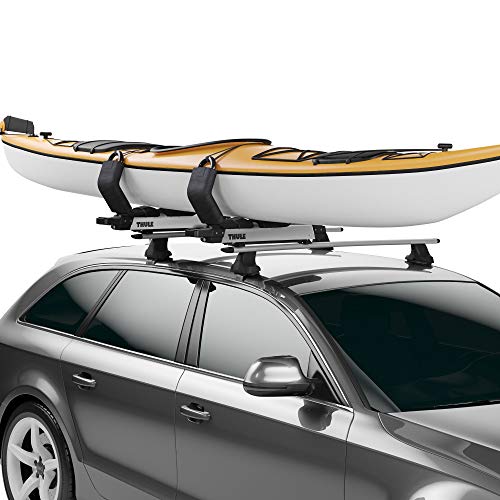
The Hullavator Pro from Thule is a flagship lift-assisted kayak rack designed to bring the watercraft to waist height for loading and unloading. Gas-assisted struts provide up to 40 pounds of weight assistance, simplifying solo use. The system includes double extending arms that help with high-mount installations and secure cradles to protect the hull. It’s built for corrosion resistance and comes with bow and stern tie-downs to secure the load in transit. This option is ideal for users seeking ergonomic, hands-free loading with robust protection for their kayak.
Key points: installation requires compatible crossbars and proper alignment. The lift mechanism is designed to minimize back strain and improve precision when positioning the kayak on the roof. Users should verify compatibility with their vehicle and rack system before purchase.
Thule Hullavator Pro Kayak Rack (New Model)

This variant of the Hullavator Pro emphasizes continued lift-assisted loading with 40-pound support and waist-high access. The design emphasizes corrosion resistance and includes comprehensive tie-downs for secure transport. With extended arms, the system lowers and raises the kayak to a comfortable height, aiding precise placement even for solo users. While similar to the standard Hullavator, this model reinforces durability and loading ease for frequent travelers and varied watercraft setups.
Note: Always confirm crossbar compatibility and whether you need additional adapters for fixed crossbars. This ensures you can fully utilize the lift mechanism and maintain secure transport on long trips.
Codinter Kayak Roller

The Codinter Kayak Roller focuses on a suction-cup mounting approach to assist with loading onto the rear window area of a vehicle. It supports up to 220 pounds across rugged aluminum bars and two strong suction cups, making it suitable for a variety of kayak shapes and sizes. The design includes rotating foam padding to protect the hull during loading and a roller action that eases the transition from ground to roof. This option is well-suited for SUVs and sedans with glass-compatible mounting surfaces.
Considerations: suction-based mounting requires clean, smooth surfaces and attention to window curvature. Compatibility with your vehicle’s rear window angle is essential for reliable grip and safe loading.
Yakima Showdown Load Assist

The Yakima Showdown Load Assist is a versatile roof rack accessory designed to carry one kayak or two stand-up paddleboards. A sliding mechanism tilts the load 26 inches away from the roof, allowing side-loading without wrestling with the hull atop the vehicle. The cradles feature felt padding that conforms to the hull for a secure, quiet transport, and the unit folds down when not in use to minimize drag and wind noise. It’s a practical choice for mixed-use roof setups that prioritize quick access and ease of loading.
Operational notes: ensure the rack is compatible with your vehicle’s roof rails and check fit guidelines for kayak length and hull shape. The design emphasizes minimal maintenance while maximizing convenience during frequent trips.
Bonsing Kayak Roller

The Bonsing Kayak Roller emphasizes a window-safe suction cup approach with a focus on curved windows. The design aims to maximize grip on varied roof surfaces while minimizing marks, and the suction mechanism is tuned to protect antennas and other roof features during loading. It suits vehicles with non-vertical windows and curved glass scenarios, offering a compact, low-profile solution for occasional lift-assisted loading.
Practical tips: ensure the suction cups are installed on clean, dry surfaces and inspect the setup before each use. Compatibility with your roof’s contour and window design is essential for stable operation.
RAD Sportz Kayak Storage Hoist

The RAD Sportz Kayak Storage Hoist is an overhead pulley system designed for garage use, lifting up to 125 pounds to a ceiling height of up to 12 feet. It’s ideal for long-term storage when not in use, keeping watercraft and other gear off the floor and protected from damage. The system emphasizes easy installation and a built-in rope brake for one-person operation. It complements a roof rack by providing an alternative storage solution when space is limited on vehicles or during offseason storage.
Important considerations: this hoist focuses on overhead storage rather than vehicle loading. When choosing a lift-assisted rack for the road, ensure you pair the appropriate roof mount with storage hoists to balance mobility and space efficiency.
Buying Guide: Key Purchase Considerations And Comparisons
- Load capacity and kayak size: Lift-assisted racks vary in weight support. Prioritize models offering at least 40 pounds of assist for typical kayaks, or 100+ pounds for larger canoes or multi-kayak setups. Check your boat’s weight and maximum capacity before buying.
- Vehicle compatibility: Some systems require extendable crossbars or specific roof rail types. Verify crossbar spacing, adjustable lengths, and any adapters needed for fixed rails to ensure a proper fit.
- Loading height and ergonomics: Waist-height loading reduces strain and improves control. Consider whether the lift mechanism suits solo use and how it positions the kayak for safe securing and transport.
- Mounting method and surface compatibility: Lift systems rely on crossbars or suction cups. If you have curved glass, shelves, or antenna components, examine suction cup compatibility and potential surface marks.
- Security and protection: Look for locking mechanisms, padded hull contact points, and tie-downs that keep the kayak secure during transit. Corrosion resistance is important for long-term durability.
- Storage and versatility: Some options double as garage hoists or versatile racks for boards and ladders. Decide whether you want a single-purpose rack or a multi-use system that covers multiple watercraft or gear.
- Installation effort: Some products require professional installation or extra adapters. Budget time for setup and confirm whether parts are included or sold separately.
- Maintenance: Inspect cradles, latches, and pulleys for wear. Regular checks ensure continued safety and performance on the road or at home.
Overall, lift-assisted kayak racks provide safety, ergonomics, and versatility for American outdoor enthusiasts. When evaluating options, prioritize compatibility with your vehicle, the level of lift assistance, and the overall system durability. For frequent trips and larger or multiple kayaks, a robust, purpose-built lift system plus reliable crossbars offers the best long-term value and performance.