Finding an insulated sleeping pad that balances warmth, weight, and packability is essential for successful backpacking trips. This guide highlights five top insulated sleeping pads designed for American hikers who crave comfort without burdening their pack. Each option offers a different blend of R-value, thickness, weight, and setup style, helping you choose the right pad for three-season or winter treks. The picks below are evaluated for warmth retention, durability, and ease of use in varied outdoor conditions.
| Product | R-Value | Approx. Weight | Thickness |
|---|---|---|---|
| ApolloAir 5.2 (17 oz) | 5.2 | 17 oz | 3.2 inches |
| Olaterior Ultralight 7.2 | 7.2 | Not specified | 3.9 inches |
| Hikenture 6.2 | 6.2 | 1.53 lb | 3.2 inches |
| Big Agnes Rapide SL 20×72 | Up to 4.8 | Lightweight | 3.5 inches |
| Gear Doctors Self-Inflating 4.3 | 4.3 | 2.2 lb | 1.5 inches |
Use this buying guide to compare core characteristics: warmth (R-value), weight, thickness, packed size, inflation method, and included accessories. Each product section below provides a concise overview, key features, and practical notes to help you decide which insulated pad best fits your backpacking style and climate.
Gear Doctors ApolloAir 5.2 — 17oz Ultralight Insulated Pad

The ApolloAir 5.2 is designed for backpackers prioritizing compact packing and quick setup. Weighing about 17 ounces, its compact form folds into a small carry pouch with a Pump Sack, enabling inflation to a 72.8″ x 22″ surface and a thickness of 3.2 inches. The pad uses horizontal insulated chambers to distribute weight evenly, reducing pressure points during long nights outdoors. The included repair kits and a dedicated valve option for certain pumps add to its reliability in varying conditions. A practical option for hikers who want warmth without bulk.
Olaterior Ultralight Sleeping Pad — 7.2 R-Value

The Olaterior pad delivers a high 7.2 R-value, suitable for four-season use and extreme cold. It offers a three-to-four-inch depth with robust durability from double ripstop nylon and aviation-grade TPU lamination. The two-in-one valve supports rapid inflation and fast deflation, and the included inflatable bag doubles as a dry bag or water carrier. This pad suits cold-weather explorers who prioritize warmth and stability on uneven terrain, even in subzero conditions.
Hikenture Sleeping Pad — 6.2 R-Value
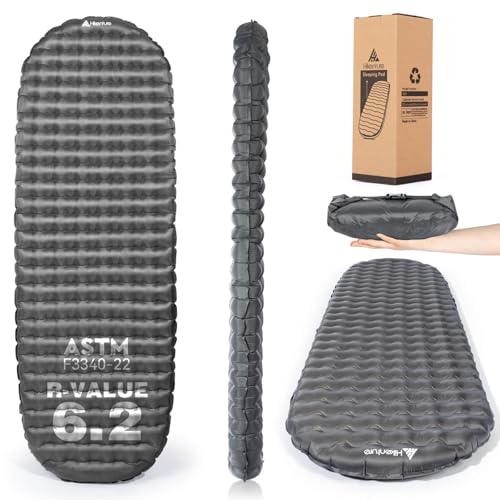
The Hikenture pad stands out with a solid 6.2 R-value and a 3.2-inch profile, offering substantial warmth while remaining relatively lightweight at about 1.53 pounds. Its airbag-inspired structure distributes weight evenly to avoid bottoming out, maintaining comfort on rocky ground or snow. The design prioritizes ease of transport, and a compact bag helps streamline packing. This pad is well-suited for damp or cold shoulder seasons where reliable insulation matters most.
Gear Doctors Self-Inflating Camping Pad — 4.3 R-Value
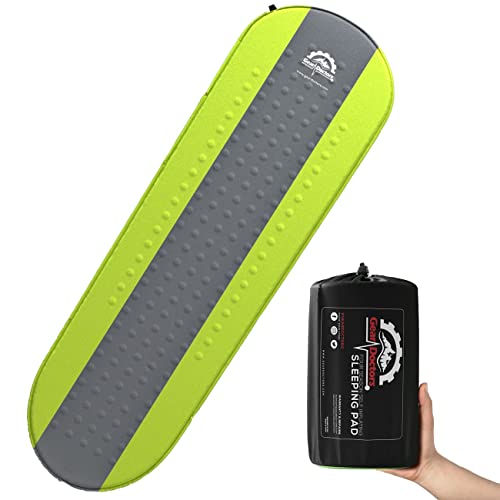
This self-inflating option combines ease of use with a 4.3 R-value insulation layer. It folds down to a compact 8 x 12 inches for trunk-ready storage and inflates to a comfortable 72 x 20 inches. Weighing about 2.2 pounds, it provides straightforward setup without requiring external pumps. The pack includes repair patches, making it a practical choice for campers seeking a reliable, straightforward sleeping surface with dependable warmth.
Big Agnes Rapide SL — All-Season, 20×72

The Big Agnes Rapide SL series are renowned for warmth and a low-profile, quiet sleep surface. With R-values up to 4.8, these pads excel in three-season use and can be paired with an additional closed-cell foam pad for enhanced warmth in colder conditions. The quilted top and offset I-Beam construction reduce weight while maintaining stability, delivering a plush feel without the typical air-mattress bounce. Lightweight, durable materials and multiple size options make Rapide SL a versatile choice for hikers seeking reliable insulation across varying climates.
Buying Guide: Key Purchase Considerations
- R-Value and Temperature Range: For three-season use, aim for R-values around 3.5–4.5. For winter or subfreezing trips, look for R-values 6.0+ or pads designed for extreme cold, like 7.2 and above.
- Weight and Packed Size: Ultralight hikers may prioritize pads under 20 oz, with compact packed dimensions. Self-inflating and inflatable designs trade weight for setup speed and convenience.
- Thickness and Comfort: Thicker pads (3.5 inches and above) tend to be more comfortable and insulate better from ground temps. Consider your sleeping style and terrain when selecting thickness.
- Inflation Method: Pumps, pump sacks, and self-inflating foam cores affect setup time and reliability. Quick-fill pads suit rapid campsites; foam-insulated cores reduce risk of air loss in rough conditions.
- Durability and Repairability: Look for reinforced fabrics, seam construction, and included repair kits. Double-stitched seams and robust materials extend pad life in rugged environments.
- Accessory Compatibility: Some pads include repair kits, bag flaps, or dry-bag functionality. If you hike with a water bottle or extra gear, consider integrated storage or dual-purpose bags.
- Seasonal Flexibility: If you experience variable temps, prioritize versatile pads with strong insulation and adapt to multi-season use rather than a single-season model.
All five selections above provide distinct strategies for achieving warmth and comfort on the trail, from ultralight inflatables to self-inflating foam hybrids. When choosing, match your typical camping environment, your packing weight budget, and your preferred inflation method to ensure a reliable night’s sleep in the backcountry.