When you’re headed into the great outdoors, keeping eggs safe, fresh, and organized is essential. The right egg container can prevent cracks, save space in your cooler, and make meal prep during camping trips effortless. Below is a curated guide to top-rated egg carriers, featuring durable materials, secure latching, and compact designs ideal for camping, hiking, or road trips. Each option prioritizes portability and egg protection, so you can focus on the journey rather than worrying about spilled or broken eggs.
| Product | Brand | Capacity | Key Benefit |
|---|---|---|---|
| ZPU Egg Holder Camping, 6 Grid (6 Eggs) | ZPU | 6 | Stackable, transparent, easy inventory |
| LocknLock Easy Essentials Specialty Dozen Egg Storage | LocknLock | 12 | Large capacity, microwave, dishwasher + freezer safe |
| JAMOR 6 Grid Egg Storage Box | JAMOR | 6 | Sturdy, dust/moisture resistant, stackable |
| Coleman 12 Count Egg Container | Coleman | 12 | Tough, easy carry handle, cooler-friendly |
| Camco Egg Carrier Holder (12 Eggs) | Camco | 12 | Built-in handle, secure locking |
These selections emphasize robust construction, mindful design to prevent egg damage, and practical portability for campers, hikers, and travelers. Read on to compare features, materials, and usage contexts to find the best egg container for your next outdoor excursion.
ZPU 6-Grid Egg Holder (1 Pack) for Camping

The ZPU 6-grid egg container is a compact, portable storage solution designed for campers who want simple yet effective egg protection. Made from food-grade PP material, the box is thick-walled to resist impact and features individual grooves that keep each egg separate, reducing the risk of collisions during travel. The transparent shell allows quick egg-count checks, and the unit is sized at about 7.48 x 5.3 x 2.17 inches (19 x 13.5 x 5.5 cm), making it easy to slot into coolers or backpack pockets. An easy-to-lock design helps maintain freshness on rugged trips, and the container is compatible with a variety of egg sizes commonly found in grocery stores.
Use case notes: ideal for day trips, car camping, or short overnight outings where you want a dedicated, reusable egg carrier. The design emphasizes stackability and space efficiency, which is beneficial for limited cooler space. The box is straightforward to clean and store, supporting multiple reuse cycles with basic care.
LocknLock Easy Essentials 12-Cup Egg Storage
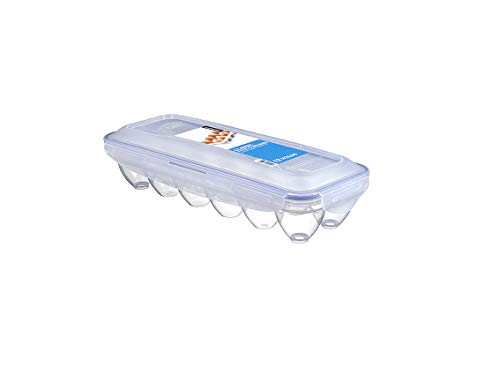
The LocknLock 12-Cup Egg Storage offers a larger-capacity solution for campers who cook multiple eggs per meal or serve several people. The container supports safe transport of up to a dozen eggs with a design that emphasizes space efficiency inside refrigerators or coolers. It’s noted for compatibility with microwaves, dishwashers, and freezers, which adds flexibility for campers who prepare meals across various settings. The lid and dividers help prevent movement and cracking during movement, making it a dependable choice for longer trips or groups.
Key considerations: higher capacity reduces the number of containers you manage but increases the container’s footprint. This option suits families or groups where egg provisions are consistent across meals. Cleaning convenience with dishwasher compatibility can add value on extended trips.
JAMOR 6-Grid Egg Storage Box for Fridge and Camping

JAMOR’s 6-grid egg storage box emphasizes safe, organized transport for daily use and camping alike. Constructed from food-grade PP, this container is BPA-free and designed for stacking to maximize refrigerator or cooler space. The heavy-duty lid and structured shell protect eggs from dust and moisture, while individual egg slots minimize movement and prevent cracking. This model is marketed as a versatile option for camping, picnics, and kitchen organization, aligning well with travelers who value durability and ease of stacking in compact spaces.
Practical notes: the box’s footprint is compact enough to fit into most cooler interiors, yet it maintains a sturdy profile when stacked with similar containers. It’s a sensible pick for hikers or RV travelers who want reliable egg protection without excessive weight.
Coleman 12 Count Egg Container

Coleman’s 12-count egg container is crafted for durability and outdoor practicality. The tough polyethylene construction withstands rugged handling, and a built-in carry handle enhances portability for camping or tailgating. This model is particularly suitable for coolers, RV kitchens, and picnic setups where eggs need reliable protection and easy access. Its simple form focuses on function: a sturdy shell, clean lines, and a design that minimizes movement during transit.
Considerations: a larger container for larger groups or longer trips, but it may be bulkier in smaller backpacks. This option pairs well with Coleman’s broader camping gear ecosystem, offering familiarity and consistent performance in outdoor environments.
ZPU 4-Grid Egg Holder (1 Pack)
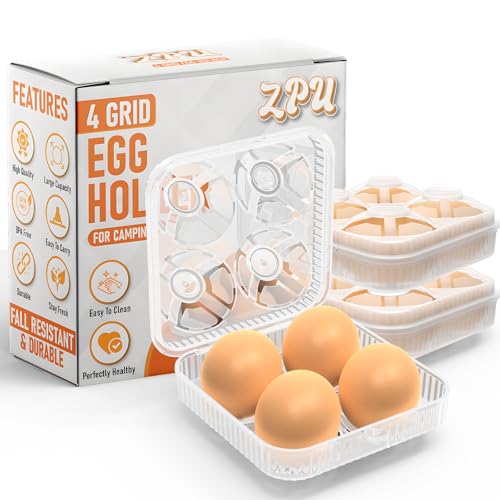
Another ZPU option, this 4-grid version offers compact, efficient egg storage ideal for minimalist packs or short trips. Its size (about 5 x 5 inches) makes it highly portable, easily fitting into backpacks or small coolers. The eggs are protected by a durable PP container with a breathable, unsealed design that helps maintain egg freshness while reducing moisture entrapment. The design emphasizes lightweight transport and straightforward use for quick meal prep during camping.
Usage tips: best for two to four eggs or for travelers who rotate egg use across meals. The open-breathing design can be advantageous in warmer climates where moisture buildup is a concern, though it requires careful handling to avoid egg exposure during transit.
Camco Egg Carrier Holder with Built-in Handle

The Camco egg carrier is designed with RVing and camping in mind, offering a safe 12-egg transport capacity. Its built-in handle and secure cover make carrying eggs to picnics or campsites straightforward. This model focuses on ease of use and reliability in transit, with a design that resists jostling and protects eggs during long drives or high-activity outings. It is a practical option for larger trips or groups that require dependable egg transport in a single container.
Buying Guide: Key Purchase Considerations And Comparisons
- Capacity vs. portability: Smaller 4- or 6-grid models are lighter and easier to transport, while 12-count containers suit groups or extended trips. Consider how many eggs you typically cook per meal and the space available in your cooler or backpack.
- Material and durability: Look for food-grade PP or durable polyethylene with thick walls to resist impact and provide reliable protection against cracks during movement.
- Seal and lid design: A secure locking mechanism and a tight lid reduce movement and spills. Some designs feature breathable slots to prevent moisture buildup, which can be beneficial in hot climates.
- Stackability: If you travel with multiple containers or have limited cooler space, stacking capability can maximize storage efficiency. Transparent shells help with quick egg-count checks.
- Dishwasher and freezer compatibility: For campers who need easy cleanup or extended storage, consider containers that are dishwasher-safe or freezer-friendly.
- Maintenance and cleaning: Choose containers that are easy to clean and dry, with simple disassembly for thorough washing to prevent bacterial buildup during multi-day trips.
- Weight considerations: Heavier options may reduce pack efficiency for long hikes. Balance protection with overall travel weight.
- Cost and availability: While not mentioning prices, evaluate value based on durability, capacity, and features against your typical camping style and frequency.
Across these products, the best egg container for camping depends on your group size, trip length, and how you prioritize space versus capacity. For solo or couple trips, the 4- to 6-grid options provide ample protection without bulk. For families or groups, the 12-count variants from LocknLock, Coleman, or Camco deliver higher capacity with sturdy construction and practical handles. When selecting, assess how often you’ll need to access eggs during meals and how you’ll store the containers inside your cooler or vehicle.