Finding a reliable closed-cell camping pad can dramatically improve warmth, support, and sleep quality on outdoor trips. This guide reviews five well-regarded options, highlighting insulation, weight, compactness, and versatility for different camping styles—from backpacking to car camping. Read on to compare core specs, construction, and suitability for various climates and sleeping preferences.
| Product | Brand | Key Strength | Approx. Weight |
|---|---|---|---|
| Ultralight Foam Sleeping Pad | fitply | Ultra-light material with heat-reflective layer | 0.7 lb |
| Foam Camping Pads for Sleeping (Wide) | FOCHIER F | Accordion design with IXPE foam | Lightweight, compact |
| Therm-a-Rest Z Lite Original | Therm-a-Rest | Classic, durable, heat-trapping dimples | Low weight |
| Featherstone El Cordion Insulated | Featherstone | Hexagonal nodes for extra coverage | Lightweight |
| REDCAMP 72"x22" Pad | REDCAMP | Dual-layer comfort with R-Value 2.1 | Lightweight |
Ultralight Foam Sleeping Pad by Fitply

The Fitply pad uses ultra-light XPE foam to deliver a compact, low-profile sleeping surface. Unfolded dimensions are 70.8 x 23.6 x 0.7 inches, with folded dimensions of 23.6 x 5.6 x 4.9 inches, and a weight of about 0.7 pounds. Its ergonomic raised-node design provides targeted back support, and the foam’s insulation relies on a heat-reflective aluminum film to help retain body heat. This combination helps create a warmer sleep surface in cool conditions while reducing bulk for hikers and travelers.
Foam Camping Pads for Sleeping (Wide) by FOCHIER F

FOCHIER F offers a wide, accordion-style closed-cell pad made from IXPE foam. The peanut-shaped design promotes compact packing by nesting pads inside one another for storage. It provides solid support across pressure points and uses a moisture-resistant construction to help protect against damp ground. The pad’s back features an insulated film that works with the polyethylene foam to trap heat, making it suitable for variable outdoor conditions and multi-scenario use.
Therm-a-Rest Z Lite Original

The Z Lite Original is a timeless, lightweight closed-cell pad with folding accordion-style construction for easy packing. Its dimples help capture and trap heat, enhancing warmth on cold ground, and it carries an R-Value rating around 1.7. The pad’s durability and simple packability make it a go-to choice for backcountry sleepers who value reliable warmth and low weight.
Thinton Foldable Foam Pad (Single)

The THINTON sleeping pad uses IXPE closed-cell foam with an aluminum film on the back for heat reflection. Its foldable design matches standard open dimensions of 70.8 x 23.6 x 0.7 inches with a compact fold, and the insulation rating is reported at 2.1. The pad emphasizes a balance of insulation, portability, and straightforward use for outdoor trips ranging from day hikes to longer treks.
Featherstone El Cordion Insulated Sleeping Pad
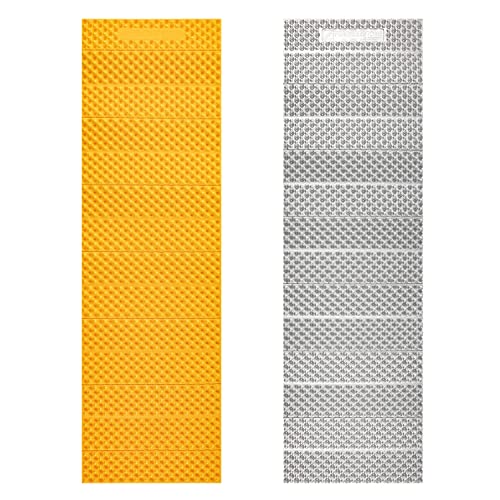
Featherstone’s El Cordion pad features hexagonal nodes for expanded coverage and warmth. It combines irradiation cross-linked polyethylene foam with a dual-density heat-reflective film, delivering an insulation rating of 2.1. The ultralight construction and robust warmth make it a solid option for ultralight backpackers who still want dependable heat retention on chilly nights.
REDCAMP 72"x22" Foldable Foam Pad

REDCAMP’s pad combines a dual-layer closed-cell foam structure with a top comfort layer and a reinforced base. With an R-Value around 2.1 and a width suitable for side sleepers, it balances warmth and support for longer nights on varied terrain. The triple-panel accordion fold enhances compactness, while a non-slip surface helps stabilize sleeping positions in tents.
Buying Guide: Key Purchase Considerations
- Insulation and warmth: Look for an insulation rating (R-Value) of 2.0 or higher for three-season use. In particularly cold environments, higher R-Value can meaningfully increase comfort.
- Weight and packability: For backpacking, prioritize pads under 1 pound with a compact fold or roll. For car camping, weight is less critical but still important for ease of transport.
- Size and sleeping style: Wider pads support side sleepers or couples; longer pads accommodate taller individuals. An accordion or foldable design can enhance portability and setup speed.
- Durability and materials: Closed-cell foam resists punctures and leaks. IXPE foam offers lightweight warmth and moisture resistance, while heat-reflective films improve warmth in cold conditions.
- Versatility and use-case: Consider pads that perform well across seasons, including heat reflection for warmth, moisture resistance, and compatibility with sleeping bags or tents.
- Cleaning and maintenance: Look for pads that are easy to wipe down. Foam pads typically tolerate occasional washing and sun exposure without degradation, though prolonged UV exposure can affect some materials.
- Storage and care: Dry, cool storage helps prolong pad life. Foldable designs save space in backpacks and gear sheds.
- Value and warranty: Many brands offer warranties on foam sleeping pads. Compare long-term durability and replacement policies to ensure good value over time.