When planning outdoor adventures, a reliable portable power station keeps gear charged and ready. This guide highlights five top options that balance capacity, weight, and versatility for camping, RV trips, and emergencies. Each model supports multiple charging methods and a range of outlets to power laptops, lights, drones, and small appliances off the grid.
Summary of selected products:
- Jackery Portable Power Station Explorer 300 — 293Wh, 7.1 lb light, multiple outlets
- Jackery Explorer 1000 v2 — 1,070Wh LiFePO4, 23.8 lb, fast charging
- Anker SOLIX C300 — 288Wh LiFePO4, 140W USB-C PD, compact design
- CYBPULTE C601 — 299Wh, 600W output, 6.8 lb, diverse ports
- VTOMAN Jump 600X — 299Wh, jump-start capability, 600W output
Jackery Explorer 300: Compact Yet Capable for Outdoors
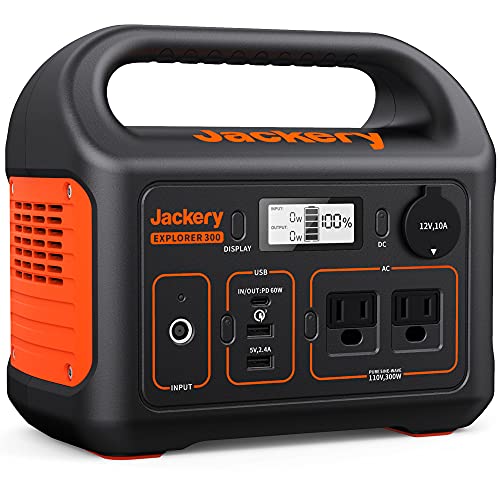
The Explorer 300 delivers a practical 293Wh lithium-ion battery and dual Pure Sine Wave AC outlets to power essential devices during off-grid outings. At roughly 7.1 pounds, it remains portable for backpacking or car camping. It supports quick recharging via a wall outlet or 60W USB-C PD input, enabling an 80% fill in about two hours. Versatile input options include AC adapters, car outlets, or Jackery SolarSaga 100 panels in solar setups. With a suite of ports—two AC outlets, a PD USB-C port, a fast-charge USB-C 3.0, USB-A, and a DC car port—it can simultaneously support multiple devices such as drones, laptops, and cameras, making it a dependable campsite companion.
Key considerations with the Explorer 300 include evaluating your typical power load and weight tolerance. For high-draw appliances like full-size fridges or power tools, users may prefer larger models, but for lighting, phones, cameras, and portable devices, the Explorer 300 offers solid performance in a compact form.
Jackery Explorer 1000 v2: High Capacity For Extended Off-Grid Use

The Explorer 1000 v2 is built around a 1,070Wh LiFePO4 battery with a robust 1,500W continuous AC output (3,000W surge). Its lightweight frame (about 23.8 pounds) includes a foldable handle for transport and makes it suitable for longer camping trips, emergency backup, RV use, or off-grid living. It supports a rapid one-hour sprint charge via the Jackery App with emergency charging enabled, though typical full charges may run longer to preserve battery health. The advanced ChargeShield 2.0 system enhances safety during fast charging. A standout feature is the Long Lifespan: LiFePO4 chemistry helps retain capacity well past 4,000 charge cycles, maintaining above 70% capacity for years of use.
For users weighing weight against power needs, the 1000 v2 excels when you expect to run fridges, small appliances, or multiple devices simultaneously. It pairs well with solar panels for extended off-grid weekends, though it remains a heavier option than compact models. If longevity and heavy-use capability are priorities, this model is a strong candidate.
Anker SOLIX C300: Ultra-Compact, High-Quality Power

The Anker SOLIX C300 emphasizes portability without sacrificing essential output. It provides 288Wh with a 300W continuous output and a 600W surge, balancing compactness with usable power. A highlight is the 140W two-way USB-C PD fast charging, enabling rapid recharging and capable device charging, including laptops and tablets. The unit contains multiple outputs—AC outlets and USB-C/USB-A ports—to support diverse devices on trips, hikes, or casual camping. Its travel-friendly build sits smaller than many peers, making it easy to stow in a vehicle or backpack.
When choosing, think about your device lineup and how many simultaneous ports you’ll need. The C300’s emphasis on fast charging and a broad port selection suits tech-heavy trips, but if you require longer runtimes for larger appliances, you may still opt for higher-capacity models.
CYBPULTE C601: Lightweight 600W Power With Seven Ports

The CYBPULTE C601 sets a low-weight benchmark in its class with a 6.8-pound chassis and 299Wh capacity, delivering up to 600W continuous power (1200W surge). It’s designed for campers who need reliable power for laptops, mini-fridges, projectors, CPAP machines, and other devices. Seven output ports include two AC outlets, USB-C PD up to 140W, USB-A ports, a car port, and a DC port, enabling you to run multiple devices at once. A smart LCD screen keeps you informed about battery level and power draw. The model’s 140W USB-C PD fast charging supports rapid replenishment and fast device charging for laptops and tablets.
Consider use cases where fast charging and multiple simultaneous devices matter. The C601’s portability and robust port mix make it well-suited for quick camping trips, road trips, and temporary home backup scenarios, especially when you want a compact unit with enough versatility to cover daily electronics.
VTOMAN Jump 600X: Power Station Plus Car Jump Start

The VTOMAN Jump 600X pairs a 299Wh portable power station with a car jump-start port, offering a unique 2-in-1 solution for outdoor exploration and roadside assistance. With 600W continuous output and a 1,200W surge, it handles power-hungry devices and occasional jump-start needs. Its LiFePO4 battery composition supports long cycle life, and the unit includes three regulated 12V/10A DC outputs, a PD 60W USB-C port, and multiple USB-A ports, providing flexibility for camping, RV travel, and emergency scenarios. The option to expand capacity via additional packs further extends its utility for longer trips.
When evaluating this model, factor in the Jump Start capability as a separate value-add. If you regularly encounter vehicle issues or want to reduce dependency on other equipment, the Jump 600X offers practical peace of mind alongside standard off-grid use.
Anker SOLIX C1000 Gen 2: Maximum Back-Up For Home and Travel
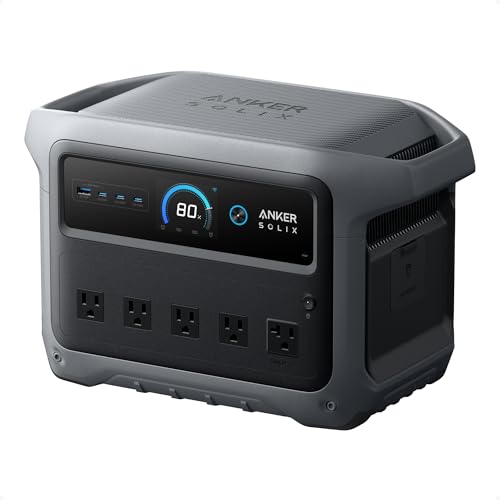
The Anker SOLIX C1000 Gen 2 is a flagship model offering up to 2,000W continuous output (3,000W peak) and a generous 1,024Wh LiFePO4 battery. Fast charging is a major feature, with 49-minute recharge using HyperFlash tech at up to 1,600W. With 10 ports, it supports powering multiple devices at once, making it suitable for comprehensive emergency backup, remote work setups, and large camping setups. The LiFePO4 chemistry promises long cycle life and reliability for extended off-grid usage.
Use this model when you anticipate running several high-demand devices in tandem or when you want a robust home backup option that remains portable for travel. The C1000 Gen 2 balances substantial energy capacity with a relatively compact footprint for its class, aiding mobility during trips and outages alike.
Buying Guide: Key Purchase Considerations
- Battery chemistry and lifespan: LiFePO4 (LFP) cells generally offer longer cycle life and better thermal stability than traditional lithium-ion cells, leading to more reliable long-term performance.
- Capacity and run time: Look at watt-hours (Wh) and continuous wattage. Higher Wh supports longer runtimes; higher continuous watts handle more powerful appliances. Balance needs against weight and portability.
- Output ports and flexibility: Ensure the unit provides the right mix of AC, USB-C PD, USB-A, and DC outlets for your devices. Some models offer car adapters or 12V DC outputs for fridges and car accessories.
- Charging options: Consider wall charging speed, solar compatibility, car charging, and the ability to recharge while on the move. Solar compatibility is valuable for extended trips without access to power.
- Weight and form factor: Heavier models deliver more capacity. Evaluate whether you need a backpack-friendly unit or a stationary companion for an RV or campsite.
- Portable power for emergencies: For road trips and off-grid use, jump-start or additional safety features can be decisive. Some units include jump-start ports or enhanced safety protections.
- Durability and warranty: Outdoor use demands rugged construction and responsive customer support. Check build quality, IP ratings if relevant, and warranty terms.
In selecting a model, map your typical usage profile—whether you need to run a laptop, fridge, lighting, cameras, or CPAP equipment—and weigh it against travel considerations like weight, size, and charging speed. For longer trips with multiple devices, higher capacity and robust charging options tend to yield better overall satisfaction. For casual camping with essential devices, a lighter, compact unit with solid USB-C charging capabilities often suffices.