Storing water efficiently in a camper van requires carefully chosen tanks that fit tight spaces, withstand road use, and meet drinking water safety standards. Below is a curated look at five top options designed for camper vans, including wheel-well fits, under-mount designs, and integrated pumping kits. Each product focuses on maximizing space while delivering reliable water storage for travel and off-grid living.
Summary of chosen products
| Product | Brand | Capacity | Key Feature |
|---|---|---|---|
| TORVA Sptinter 2500 & Transit 33-Gallon | TORVA | 33 gallons | Wheel-well space optimization; flexible placement |
| UM-2000 Under-Mount 20 Gallon | Class A Customs | 20 gallons | Under-mount design; NSF materials |
| Ameri-Kart 19 Gallon Fresh Water Tank | Ameri-Kart | 19 gallons | Potable, BPA-free; multiple install options |
| WT-1653 16 Gallon Black Water Tank | classAcustoms | 16 gallons | Black water (waste) hold tank; vented |
| T-2000-BPK-PUMP 20 Gallon | classAcustoms | 20 gallons | Fresh water with plumbing kit and pump |
TORVA Sptinter 2500 & Transit 33-Gallon Wheel-Well Tank

Optimized for space, the TORVA 33-gallon water tank is designed to convert the wheel well area into a usable storage space without compromising legroom or cargo. It is tailored for Sprinter 2500 and Transit vans, allowing a seamless integration that preserves interior flow. The design supports flexible placement, enabling installation on either the driver’s or passenger side to suit personal layout preferences and vehicle dimensions. This solution is ideal for adventurers who want a large-capacity tank without sacrificing cabin space.
UM-2000 Under-Mount 20 Gallon Fresh/Gray Water Tank
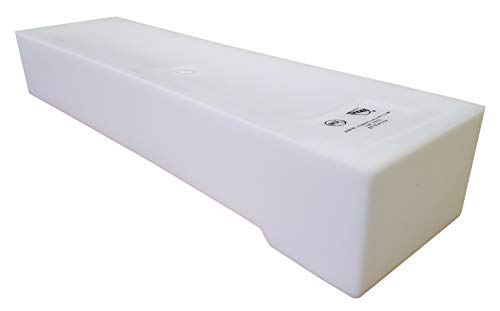
This under-mount design provides a compact 20-gallon solution suitable for tight van confinements. Built with NSF-approved materials, it supports fresh or gray water storage in a single unit. The tank measures approximately 48 inches in length, with adaptable mounting options that let you rotate or reposition the tank to change its height or width. It features built-in fittings for easy plumbing, though installation requires attention to proper sealing and side clearance to prevent leaks.
classAcustoms WT-1272 12 Gallon Black Water Tank

The WT-1272 is designed for waste and gray water holding needs, commonly used in Dodge Promaster and Sprinter vans. It is a 12-gallon capacity, made in the USA with MDPE resin, and clearly marked for waste/gray water use only. The inlet and vent require user placement during installation, with a 3-inch ABS outlet. Note that this tank is not intended for fresh drinking water, and user installation should avoid pressurization to prevent damage.
classAcustoms WT-1653 16 Gallon Black Water Tank

Another robust waste tank option from Class A Customs, the WT-1653 holds 16 gallons and is built from MDPE resin. It is explicitly for waste/gray water use and includes an outlet, with user-defined inlet and vent placement during installation. Like other waste tanks in this line, it emphasizes venting and careful fitting installation to avoid leaks and over-tightening that can damage components.
classAcustoms T-2000-BPK-PUMP 20 Gallon Fresh Tank With Pump

This 20-gallon freshwater tank from Class A Customs includes a plumbing kit and a built-in 12V pump, offering a complete package for easy installation in a camper van. The tank is designed to be non-pressurized and vented to accommodate gravity-fed filling methods. With built-in fittings and a compact footprint, it fits well in smaller van interiors while still providing adequate storage for daily water needs like drinking, cooking, and cleaning.
Buying Guide: Key Purchase Considerations for Camper Van Water Tanks
When selecting a camper van water tank, it’s important to consider capacity, installation location, water type (fresh, gray, or black/waste), material safety, and compatibility with your van’s layout. Below are essential factors to weigh and how they impact real-world use.
- Capacity and space fit: Larger tanks maximize on-fuel-water autonomy but require more space. Wheel-well models can exploit otherwise wasted space, while under-mount and side-mounted tanks save interior room but may limit access for cleaning and venting.
- Water type and safety: Fresh water tanks should use BPA-free, NSF-approved materials for potable water. Waste tanks require proper venting and are not suitable for drinking water.
- Materials and durability: MDPE resin and other durable plastics resist cracking and corrosion. Check for UV resistance if tanks are exposed to sun or cabin heat.
- Fittings and plumbing: Built-in fittings ease installation but ensure compatibility with your hoses and pump systems. Pay attention to NPT threads, vent requirements, and recommended torque to avoid leaks or damage.
- Ventilation and pressure: Non-pressurized, vented tanks are safer with gravity-fill setups. Pressurized connections can cause tank ruptures; follow manufacturer guidelines for filling and pump use.
- Installation flexibility: Some tanks offer rotation to adjust height or width, or allow placement on either side. This can be crucial for vans with tight pathways or unusual layouts.
- Accessories: Pumps, plumbing kits, and filter options add value but increase cost and complexity. Decide if a pump is essential for your water usage pattern or if gravity-fed options suffice.
- Maintenance and cleaning: Look for smooth interior surfaces and accessible fittings to simplify sanitizing and routine cleaning.
- Warranty and support: Check warranty terms and the manufacturer’s guidance for installation, mounting, and compatible accessories to minimize issues during travel.
In practice, a mixed setup often works best: a primary fresh water tank (around 19–33 gallons) paired with a dedicated waste tank (12–16 gallons) to manage daily operations without frequent refills. For van builders who want simplicity, a kit with a pump (like the T-2000-BPK-PUMP) can streamline installation and use, while wheel-well configurations offer top-tier space efficiency for longer trips.