Bikepacking demands a shelter that’s light, reliable, and quick to set up. This guide highlights top 1 person tents designed for cyclists, ultralight hikers, and solo explorers. Each option balances durability, weather protection, and easy pitching so you can focus on the ride. Below you’ll find concise product overviews, practical pros and cons, and a buying guide to help you compare key features such as weight, pitch style, and footprint compatibility.
Summary of selected products:
- Naturehike Bikepacking 1 Person Tent — Waterproof, freestanding, includes footprint.
- Naturehike Bikepacking 1 Person Tent (Footprint Included) — Similar design, reinforced materials, quick setup.
- Clostnature Crux 1 Person Tent — Ultralight, compact pack size, quick setup for solo trips.
- Big Agnes Fly Creek HV UL Bikepack — Solution Dye fabric, streamlined setup, great interior space.
- Big Agnes Copper Spur HV UL1 — Two-door, two-vestibule design with bike-friendly features.
Naturehike Bikepacking 1 Person Tent

The Naturehike 1 Person Bikepacking tent is built for wet and windy conditions with a PU4000mm waterproof 20D nylon shell and taped seams. A robust 7001 aluminum frame provides dependable support in storms, while the freestanding design makes setup straightforward in diverse environments. The tent’s roomy interior offers generous headroom for a single sleeper, and the setup time is typically under five minutes for users with any level of experience. A footprint is included to extend ground protection and durability over rough terrain.
Naturehike Bikepacking 1 Person Tent (Footprint Included)

This Naturehike model mirrors the waterproof and windproof design of the first tent, using PU4000mm coated 20D nylon and taped seams for reliable weather protection. It remains a freestanding, two-pole setup with a strong aluminum frame, ensuring stability in gusty conditions. The interior remains comfortably sized for a solo camper, with a practical ceiling height and ample floor space. The included footprint helps extend life by shielding the base from abrasion and moisture during long trips.
Clostnature Crux 1 Person Tent

The Crux 1 Person Tent emphasizes ultralight design without sacrificing protection. The tent features a durable rain fly with a PU 5000 coating and factory-sealed seams to keep you dry in all-season weather. Weighing roughly 2.97–4 pounds depending on gear included, it’s compact enough to minimize pack weight while providing a roomy interior that comfortably accommodates a single sleeper. Freestanding setup with two aluminum poles allows for fast pitching, an essential trait for bikepackers who need to assemble camp after a long ride.
Big Agnes Fly Creek HV UL Bikepack

The Fly Creek HV UL Bikepack is designed with a focus on space efficiency and quick setup. It uses Solution Dye fabric for UV resistance and lower environmental impact, while a DAC angle hub architecture provides a roomy interior without adding weight. The tent features a single door, a vestibule with storm flaps, and user-friendly zippers and pulls. Velcro fly-to-pole connections and reflective accents simplify setup and nighttime visibility, making it a reliable choice for riders who prioritize ease of use on tricky weather days.
Big Agnes Copper Spur HV UL1 Ultralight Bikepacking Tent
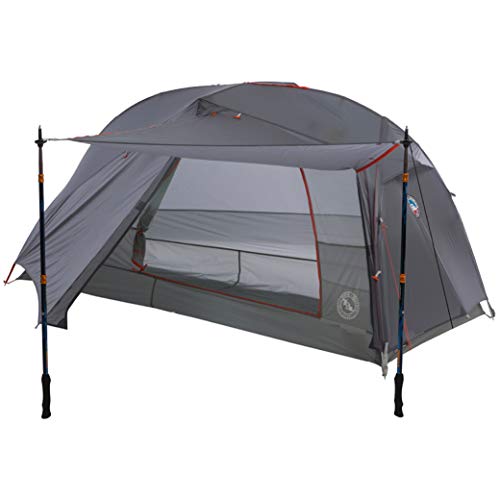
The Copper Spur HV UL1 is a high-performance bikepacking tent with two doors and two vestibules, maximizing interior versatility and gear storage. The tent’s high-volume hub design improves interior space without adding weight, while a DAC Featherlite NSL pole system delivers reliable strength for aggressive mountain biking. Its bike-friendly features, such as compact storage and bike-frame attachment options, make it a practical choice for long-distance routes where efficiency and shelter quality are essential.
Buying Guide
- Weight and pack size: For bikepacking, lighter tents reduce fatigue. Compare the trail and packed weights to ensure the tent aligns with your load capacity and backcountry plan.
- Freestanding vs. non-freestanding: Freestanding designs are easier to pitch on varied terrains, especially when you don’t want to spend time anchoring. If you ride in areas with hard ground, freestanding tents are particularly advantageous.
- Weather protection: Look for PU-coated fabrics with taped seams and weatherproof rainflies. A robust storm vestibule and sturdy pole system help in gusty conditions common on exposed routes.
- Interior space: Solo tents should offer enough headroom to sit up and roll over without feeling cramped. A taller interior and well-placed door/vestibule can improve comfort on longer rides.
- Footprint inclusion: Footprints protect the base of the tent from abrasion and moisture. If not included, budget for a compatible footprint to extend the tent’s life.
- Setup ease: Features like color-coded poles, quick-pitch designs, and pre-attached guy lines reduce setup time after a long day of riding.
- Durability and materials: Ultralight does not always mean fragile. Look for ripstop fabrics, reinforced corners, and sturdy aluminum poles to balance weight with resilience.
- Ventilation and condensation: Mesh panels and well-placed vents help reduce condensation in high-humidity or cooler nights when tents are sealed for warmth.
Consider your typical bikepacking conditions—single-season versus all-weather use, rough terrain versus smooth trails, and how much gear you’ll carry. If you ride in variable climates or aim for ultralight itineraries, prioritize tents with robust waterproofing, quick-pitch capability, and efficient space. For riders who value ease and interior comfort, tents with dual vestibules, multiple doors, and well-thought-out stowage pockets offer practical advantages on multi-day trips.