Choosing the right sleeping mat for year-round outdoor use can dramatically improve comfort and rest after a long day on trails. This guide highlights top all-season sleeping mats designed to resist ground chill, provide ample support, and remain portable for backpacking and camping. Each option below balances insulation, durability, and weight to help hikers, campers, and travelers sleep soundly in varied conditions.
Summary of Selected Products
| Product | Brand | Approx. Insulation (R-value) | Thickness | Notes |
|---|---|---|---|---|
| TREKOLOGY Sleeping Pad for Camping – UL R7 | TREKOLOGY | 7.2 | 4″ (10 cm) | All-season warmth; ultra-light and compact |
| TREKOLOGY Camping Sleeping Pad – UL R7 | TREKOLOGY | 7.2 | 4″ (10 cm) | Similar specs; lightweight and roomy |
| Gear Doctors Oxylus 4.3 R-Value Insulated Pad | Gear Doctors | 4.3 | ~1.5″ (3.8 cm) foam; overall compact | Self-inflating with foam core; durable shell |
| VALEHOWL 4 Inch Thick Sleeping Pad | VALEHOWL | 4.0 | 4″ (10 cm) | Internal straps for stability; waterproof |
| Naturehike Insulated Inflatable Pad | Naturehike | 4.6 | ~3.2″ (8 cm) | Advanced heat-reflective system; ultralight |
All selected products are designed to provide reliable insulation and comfort across different climates and terrains, while keeping weight and packing size manageable for backpackers.
TREKOLOGY UL R7 Sleeping Pad

The TREKOLOGY UL R7 sleeping pad is built for all-season comfort with a 7.2 R-Value, providing excellent insulation against ground chill. It weighs about 2 lbs (900 g) and packs down to the size of a water bottle, making it highly portable for backpackers. Inflates to a generous 70.8″ x 24″ with a 4-inch thickness, offering ample room for adults of various sizes. This SGS-certified pad is designed to prevent bottoming out, supporting side and back sleepers across diverse sleeping positions.
TREKOLOGY Camping Sleeping Pad – UL R7

This TREKOLOGY model mirrors the all-season insulation and compact design of the UL R7 line. With a 7.2 R-Value, it maintains warmth in cool environments while its ultra-lightweight construction keeps backpacking weight in check. The 70.8″ x 24″ surface area and 4″ thickness provide a roomy sleep surface and reliable support for most sleeping styles, making it a practical choice for multi-season use.
Gear Doctors Oxylus 4.3R-Value Insulated Pad
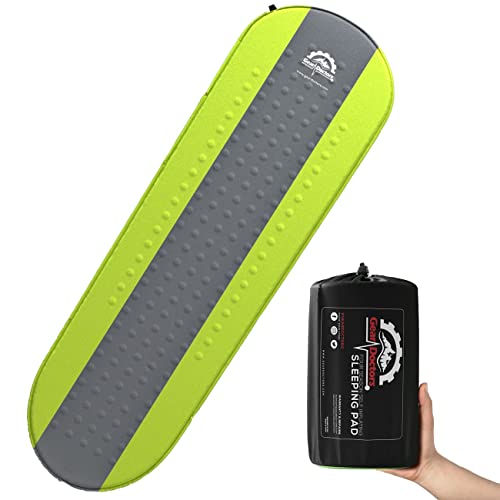
The Oxylus pad blends a self-inflating foam core with a 4.3 R-value, designed to stay warm on cold nights. It compresses to fit into packs and expands to a generous 72″ x 20″ footprint with a 1.5″ thick core when inflated. The 75D micro-coated polyester shell resists UV exposure, moisture, and abrasion, aiming to last through many seasons of use. A practical option for beginners and experienced campers who value a blend of foam insulation and easy setup.
VALEHOWL 4 Inch Thick Pad With Internal Straps

The VALEHOWL 4-Inch pad features reinforced internal straps that connect the top and bottom layers to maintain stable, even thickness. At 78.7 by 26.8 inches and 4 inches thick, it supports sleepers up to 6.5 feet tall and 400 pounds. A 50D nylon shell with TPU coating provides durability and waterproofing, while the high R-value helps block ground chill in four-season environments. The internal design improves weight distribution and reduces bottoming out on rough terrain.
INNERWILD 3.15″ Self-Inflating Pad With Pillow

The INNERWILD sleeping pad integrates a USB-C electric pump for automatic inflation and a built-in pillow for neck support. It uses high-density memory foam (~19D) to deliver comfortable contouring and pressure relief, with a 50D stretch-knit fabric and a TPU coated base to resist moisture and wear. The system offers 3.15 inches of foam thickness and a quick inflation process, suitable for travelers who want a snug, plush feel without extra gear.
Naturehike NKTR Insulated Inflatable Pad

Naturehike’s NKTR insulated pad features an 4.6 R-value and an 8-layer aluminum molded insulation system to minimize heat loss. Its three-dimensional heat-reflective structure helps maintain warmth in cold environments, and the 3.2-inch thickness provides a comfortable buffer against uneven ground. The pad is designed for ultralight backpacking while delivering reliable warmth, making it a top pick for four-season hikers seeking compact warmth.
Buying Guide: Key Purchase Considerations
Insulation and Climate Range
- Higher R-value generally means better warmth in cold conditions. For three-season to winter use, look for R-values around 4.0 or higher. All-season models commonly exceed R-4.
- Consider the expected low temperatures and ground conditions. Metal ground or snow requires more insulation than dry soil.
Thickness and Comfort
- Thicker pads (3–4 inches) reduce pressure points and offer better comfort for side sleepers. Thinner pads save weight but may be less forgiving on rough ground.
- Foam-core and self-inflating designs differ in setup and durability. Foam cores often provide longer-term resilience under heavy use.
Weight and Packability
- Ultralight models are ideal for long treks but may sacrifice some durability. Weighing options around 2 pounds with compact packing size is common for backpacking pads.
- Some pads compress to the size of a water bottle or fold into small bundles; check pack dimensions when planning transport.
Durability and Outer Shell
- Rip-resistant shells (nylon with TPU coatings) extend life in rough environments. Look for abrasion resistance and water resistance if you’ll sleep on damp ground or rocks.
- Self-inflating designs with robust zippers and valves simplify setup and maintenance.
Ease of Use and Accessories
- Built-in pumps (manual or electric) speed up inflation. Consider USB-C or battery-powered options for convenience in backcountry settings.
- Included pillows or integrated neck support can improve sleep quality, particularly for back sleepers.
Use Case Alignment
- Backpackers should prioritize light weight and compact size, possibly sacrificing a bit of plushness.
- Car campers may prefer thicker, more luxurious pads with higher R-values for comfort over longer stays.
Warranty and Longevity
- Many manufacturers offer warranties or lifetime support for durability issues. Consider pads with replacement guarantees if you expect hard use.
- Inspect seams and valves for reliability; improper inflation or leaks can undermine warmth and support.