Planning a solo trek? A reliable one person backpacking tent is essential for protection, comfort, and lightweight travel. Below are five well-rounded options that balance weight, weather resistance, and setup ease. Each section provides key features to help you compare at a glance.
| Product | Brand | Key Feature |
|---|---|---|
| Clostnature Crux 1 Person Tent | Clostnature | Ultralight, fast setup, weatherproof |
| Underwood Aggregator 1-Person Tent | Underwood Aggregator | 4-season, winter-ready, durable |
| Night Cat Backpacking Tent | Night Cat | Lightweight, compact, easy assembly |
| camppal 1 Person Tent (Two variants) | camppal | Windproof, waterproof, extended length |
| Bessport 1 Person Tent | Bessport | Two doors, two vestibules, roomy interior |
The following product sections highlight practical specs, setup notes, and how each tent serves different backpacking scenarios—from ultralight solo missions to all-season backcountry trips.
Clostnature Ultralight 1 Person Tent

The Clostnature Crux 1 Person Tent is designed for solo backpackers who prioritize low weight without sacrificing space. It weighs about 4 lbs (1.8 kg) in total, with a minimum trail weight around 2.97 lbs (1.35 kg) that includes the fly, inner tent, and poles. The 7’3″ by 2’8″ by 3′ area offers a comfortable sleeping space while remaining compact enough to fit into a typical pack. A combination of a polyester rain fly and bathtub-style floor with PU 5000 coating emphasizes waterproof performance, especially when factory-sealed seams are used. The freestanding, two-pole aluminum design supports quick pitching, making it suitable for solo hikers, bikepackers, and light mountaineering. Its versatility extends to hiking, kayaking, and car camping, ensuring it remains practical across seasons.
Key considerations:
- Ultralight design is ideal for long trails but may offer less interior volume than some larger tents.
- Weatherproof materials with sealed seams help keep you dry in varying conditions.
- Fast setup makes it a strong choice for travelers who minimize time at camp.
Underwood Aggregator 1-Person 4-Season Tent
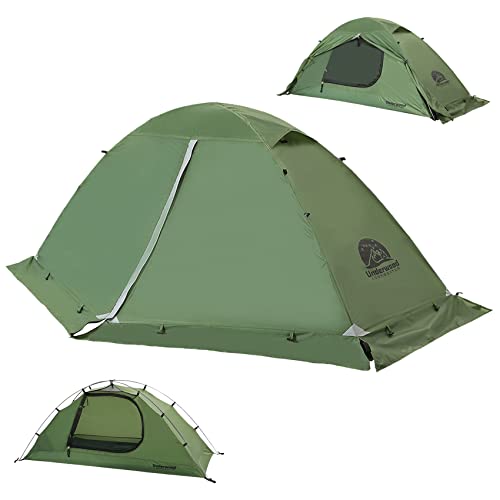
This 1-person tent from Underwood Aggregator is described as a four-season shelter with winter-ready features like a snow skirt and a rollable design for versatile use. With a center height near 35.8 inches and a floor footprint around 31.8 by 86.6 inches, it balances interior space with a compact packed size of roughly 5.1 by 15 inches. The tent emphasizes smart design details, including a two-way zipper, interior lantern hook, mesh pockets, and double-layer construction in corners to enhance wind resistance. Aimed at solo adventurers who face cold weather, storms, and snow, this option prioritizes durability and all-weather performance while maintaining a single-person footprint.
Key considerations:
- Four-season design supports winter use with snow protection features.
- Interior amenities improve comfort and organization during extended trips.
- Freestanding aluminum poles contribute to reliable setup in challenging conditions.
Night Cat One-Person Backpacking Tent

Night Cat’s ZP-10 model targets solo campers seeking practical setup and convenience. The inner measurements accommodate one person comfortably, with a compact 4.4-pound weight and a foldable pole design that enhances portability. It emphasizes a protective pole design with a fiberglass pole cover, reducing risk during assembly. This tent is suitable for a variety of outdoor activities, including camping, backpacking, motorcycling, biking, and hiking. The design supports easy setup and efficient packing, making it a versatile choice for weekend trips or longer treks where weight and space matter.
Key considerations:
- Lightweight construction supports long hikes with minimal burden.
- Indoor space is adequate for one person with room for gear.
- Compact packaging helps with storage and transport in small packs.
Camppal 1 Person Tent – 4 Season Variant

This camppal tent offers a robust 1-person shelter designed for four-season use, featuring a long inner space at 8.2 feet and a floor width of 2.95 feet with a height near 3.11 feet. It emphasizes a 3500–4000 mm water resistance rating with CPAI-84 fire retardant standards, and a relatively light weight around 3.75 pounds. The setup relies on a single ridge pole for quick assembly, with reinforced seam taping and durable, rip-stop fabric to withstand wind and rain. The extended length is particularly advantageous for taller individuals who need extra space for gear and clothing, while the outer rain fly adds protection from the elements.
Key considerations:
- Extended length improves comfort for taller users and storage space for belongings.
- Waterproofing and seam taping protect against heavy rain; wind resistance is reinforced by sturdy poles.
- Single-pole setup simplifies assembly for solo campers.
Camppal 1 Person Tent – Alternate Version

This listed variant mirrors the four-season, windproof and waterproof design with similar dimensions and performance details. It emphasizes portability and resilience, making it a solid option for backpackers who need dependable shelter across a range of weather scenarios. The tent’s materials and construction aim to balance weight with durability, enabling confident sleep in variable backcountry conditions.
Key considerations:
- Comparable weight and footprint to other camppal variants, offering consistency for travelers who value standardization.
- Reinforced waterproofing and wind resistance help cope with storms and persistent rain.
- Easy setup remains a priority for solo hikers on mixed terrain.
Bessport 1 Person Tent with Dual Doors

The Bessport 1 Person Tent focuses on interior space and weather resistance. It supports up to one person with two doors and two vestibules, providing separate access and storage areas—an advantage for keeping gear organized and minimizing shoe clutter near the sleeping area. The tent uses seam-taped construction to curb leaks and a welded floor that elevates the base, protecting against damp ground. An ultralight mesh is included for ventilation and heat management, complemented by reflective guylines to improve visibility in low light. The total weight sits around 4.4 pounds, aligning with typical solo backpacking tents.
Key considerations:
- Two doors and two vestibules improve practicality for gear storage and access.
- Welded floor and seam-taped rainfly enhance moisture protection.
- Breathable mesh walls support airflow while keeping insects out.
Buying Guide: Key Purchase Considerations for 1 Person Backcountry Tents
When choosing a one person tent, consider how you’ll use it most often and where you’ll hike. The following factors cover multiple perspectives to help you select based on environment, weight, and practicality.
- Weight and packability: For long trails, lighter tents save energy, but ensure you don’t sacrifice essential durability. Compare total weight, pack size, and the included poles.
- Seasonal suitability: Four-season tents are built for harsher winter conditions and gusty winds, while three-season tents perform well in spring, summer, and fall with better ventilation.
- Weather protection: Look for waterproof rainfly coverage, a sealed floor, and strong seams. A snow skirt or vestibules can add protection in snowy or wet environments.
- Interior space and comfort: Consider floor area, peak height, and vestibule space for gear. Taller users benefit from extended-length designs.
- Setup and stability: Freestanding designs with aluminum poles simplify pitching, especially in wind. Look for multi-pole configurations and double-wall construction for stability.
- Ventilation: Adequate mesh panels and venting reduce condensation in warm, humid nights—important for comfort on longer trips.
- Durability and materials: Rip-stop fabrics, reinforced seams, and reinforced corners extend life in rugged terrain and frequent use.
- Price-to-performance: Balance budget with expected frequency of use. A slightly higher investment can yield substantially better weather resistance and longevity for frequent backpackers.
- Maintenance and repairs: Check for compatibility with common repair kits and replacement parts (poles, stakes, rainfly) to extend the life of your tent.