For cold-weather outings, selecting a reliable 0°F sleeping bag is essential to staying warm and sleeping soundly under chilly skies. This guide highlights five top-rated1 0°F sleeping bags designed for reliability, warmth, and portability. Each product section includes a quick overview, key features, and practical considerations to help you compare options for backcountry trips, family outings, or winter camping.
Summary of chosen products
| Product | Brand | Temp Rating | Highlights |
|---|---|---|---|
| Coleman North Rim 0°F Big & Tall | Coleman | 0°F | Big & tall fit, draft tube, customizable hood |
| QEZER 0°F Cold Weather Sleeping Bag | QEZER | 0°F | 650 fill power down, compact for backpacking |
| TETON Mammoth 0 Degree Double | TETON Sports | 0°F | Queen-size, dual-zips, compression sack |
| Londtren Large 0 Degree | Londtren | 0°F | Big and tall, two-way zipper, warm draft protection |
| rioyalo 0 Degree Winter Sleeping Bag | rioyalo | 5°F – 32°F comfort range; 0°F outer | Lightweight, portable, machine washable |
Coleman North Rim 0°F Big & Tall Sleeping Bag

Designed for warmth in freezing conditions, the Coleman North Rim 0°F Big & Tall sleeping bag accommodates campers up to 6 ft 2 in. It features a Thermolock draft tube to block heat loss along the zipper, helping maintain core warmth throughout the night. The big-and-tall design improves comfort for taller users, and the mummy shape balances warmth with mobility. This bag aims to provide reliable insulation, even when venting is desired for temperature swings in cold campsites.
Key considerations:
– Temperature performance at or near 0°F with a roomy cut for taller users
– Zipper draft protection to minimize heat loss
– Size and weight implications for backpacking versus car camping
– Material durability and weather resistance for bivouac setups
QEZER 0°F Cold Weather Sleeping Bag

The QEZER model uses 650-fill power down to deliver warmth with a compact footprint. It’s designed for cold-weather backpacking, with a snug mummy fit that minimizes draft paths. The bag notes an excellent warmth-to-weight ratio and compact storage size, making it a suitable option for serious winter trips where payload and volume matter. It also emphasizes waterproofing and durable outer fabric to resist moisture ingress in damp camp environments.
Key considerations:
– 0°F comfort versus extreme ratings and user variability
– Down fill power and overall weight for backpacking
– Compressibility and compatibility with a separate compression sack
– Care instructions to maintain loft after long storage
TETON Mammoth 0 Degree Double Sleeping Bag

The TETON Mammoth is a 0-degree double sleeping bag designed for families or campers who want a larger sleeping area. It features a soft poly-flannel lining and dual-side zippers for easy venting and versatility. The generous width and length provide ample space while maintaining warmth through a double-layer construction. The included compression sack helps with storage and transport while ensuring a compact packable form for vehicle-based camping and base camps.
Key considerations:
– Dual zippers and extra space for two sleepers
– Warmth balance with a roomy, family-friendly layout
– Ease of packing with a compression sack
– Durability of outer shell and ease of care
Londtren Large 0 Degree Sleeping Bag
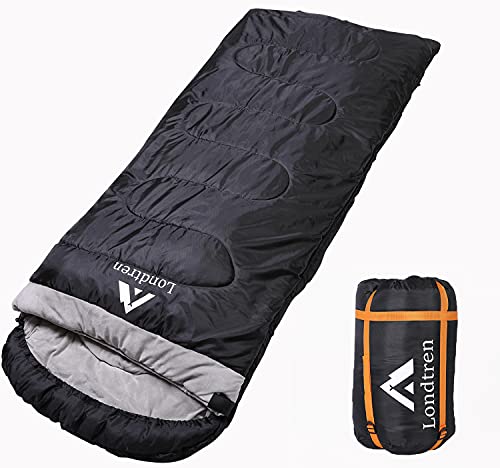
The Londtren large-size bag targets bigger campers with a 0°F rating and a broad build. It emphasizes a roomy interior through a 90-inch length and 40-inch width, designed to accommodate taller individuals. The bag highlights a two-way zipper for flexible venting and a draft-prevention structure around the shoulders and hood to preserve warmth during cold nights. This option is positioned for car camping or family trips where space is not a limiting factor.
Key considerations:
– Size and fit for tall users
– Zipper design and draft protection in key heat zones
– Insulation quality and shell durability against moisture
– Weight and bulk for transport options
rioyalo 0 Degree Winter Sleeping Bag

The rioyalo bag emphasizes portability and practical warmth with a claimed 5°F to 32°F comfort range, offering a lighter option that can still cope with 0°F conditions depending on layering and sleeper metabolism. It includes a durable waterproof compression sack for compact storage and transport, making it suitable for travelers seeking a balance between warmth, weight, and ease of use. Users should note that temperature ratings are general references and can vary with individual warmth needs.
Key considerations:
– Temperature ratings and real-world comfort
– Weight, packability, and machine-washable design
– Durability of fabric and zipper performance in winter conditions
– Suitability for varied activities—from camping to stadium events
Buying Guide: Key Purchase Considerations
- Temperature rating and personal comfort: 0°F-rated bags are built for extreme cold, but individuals vary in warmth. Consider your typical sleep warmth, recent camping experiences, and layering strategy.
- Fit and size: For tall or broader users, look for big/tall designs or wide mummies with adequate shoulder and hip space. A well-fitted bag reduces heat loss and improves comfort.
- Insulation type: Down fill provides excellent warmth-to-weight but requires careful care. Synthetic fills offer better performance in damp conditions and easier maintenance.
- Shell material and water resistance: A durable, water-resistant outer shell protects against dew, frost, and damp campsites. Look for ripstop fabrics and sealed seems if you frequently camp in wet conditions.
- Compression and portability: A reliable compression sack helps minimize bulk for backpacking or car camping with limited space.
- Ease of use: Dual zippers, draft tubes, hood adjustment, and draft collars contribute to comfort by blocking cold air entry while allowing ventilation when needed.
- Care and longevity: Down bags require more careful care (drying loft), while synthetic options might be easier to maintain and wash.
In evaluating options, balance warmth, fit, and portability with your typical camping style. For car camping or family trips, a spacious double or large bag may be more practical, while backpackers may prioritize weight and packability. Always verify product specs, warranty, and care instructions before purchase to ensure the sleeping bag aligns with your winter camping plans.