When venturing into remote or rugged terrain, having reliable GPS tracking and emergency signaling can be a lifesaving advantage. This guide highlights five top devices designed for hikers, campers, and outdoor enthusiasts who want dependable location sharing, SOS alerts, and offline navigation. Each option offers different strengths, from satellite messengers to personal locator beacons and handheld GPS navigators, helping you choose the right tool for safety and navigation on the trail.
| Product | Brand | Key Benefit |
|---|---|---|
| ZOLEO Satellite Communicator | ZOLEO | Global messaging with SOS and GPS location |
| ACR ResQLink 400 | ACR | Subscription-free SOS beacon with GPS |
| Spot Gen 4 Satellite GPS Messenger | SPOT X | Global satellite tracking and SOS |
| NiesahYan A6 Handheld GPS | NiesahYan | Multi-GNSS navigation with waypoint storage |
| Handheld GPS for Hiking (NiesahYan) | NiesahYan | Sunlight-readable screen with multi-GNSS |
ZOLEO Satellite Communicator
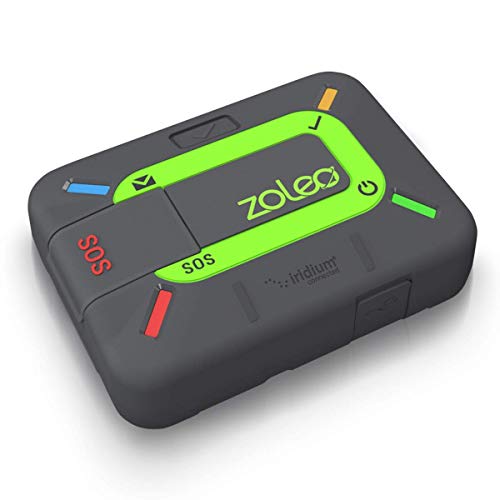
ZOLEO provides global messaging through the Iridium satellite network, allowing text messages and emails to be sent from your smartphone beyond cellular coverage. It automatically uses the lowest-cost network available by routing messages through cellular or Wi-Fi when possible, with a subscription plan. An important safety feature is the Emergency SOS alert, which transmits your GPS location to a 24/7 monitoring center. For travelers and hikers, optional Field Rescue coverage adds immediate medical support for safe extraction and transport.
ACR ResQLink 400

The ResQLink 400 is a subscription-free personal locator beacon designed to alert search and rescue with GPS-enabled distress signals on 406 MHz. It provides reliable global coverage, ensuring responders can identify your location quickly. An LED strobe and infrared strobe maximize visibility in low-light conditions, helping rescuers locate you in challenging environments. This beacon is ideal for hikers who prefer low ongoing costs while maintaining robust emergency signaling capabilities.
Spot Gen 4 Satellite GPS Messenger

Spot Gen 4 is built for adventures beyond cell towers, providing critical location updates and an SOS button for emergency help. It uses the Globalstar satellite network to transmit GPS coordinates and status messages even when you’re off-grid. The device supports ongoing tracking, reporting location updates during travel and at rest, making it suitable for families with children or anyone who wants continuous reassurance about a companion’s whereabouts.
NiesahYan A6 Handheld GPS

The A6 handheld navigator from NiesahYan supports multiple GNSS networks (GPS, Galileo, BeiDou, QZSS) for accurate positioning in challenging terrain. It features a bright 2.4″ color display with sunlight readability and physical buttons suitable for gloves. The device stores up to 1000 waypoints and supports waypoint navigation, ensuring hikers can mark, navigate to, and retrace routes with precision in remote areas.
Handheld GPS for Hiking (NiesahYan)

This rugged handheld GPS emphasizes a compact form factor with a 3.2″ sunlight-readable screen and multi-GNSS support (GPS, Galileo, BeiDou, QZSS) for high-accuracy positioning. With a claimed location precision within 6 ft, it is designed to guide hikers back to their starting point and record trips with reliable waypoint data, making it a strong option for backcountry navigation where signal strength may vary.
Buying Guide
Consider how you will use a GPS hiking tracker and emergency device to choose the right option. Key purchase considerations include:
- Signal coverage: Satellite-based devices work where cell networks do not; determine whether you need Globalstar, Iridium, or other satellite networks, or if a no-subscription beacon suffices.
- Emergency signaling: Decide if you need a dedicated SOS beacon, two-way messaging, or both. Personal locator beacons are straightforward, while satellite messengers offer more communication flexibility.
- Battery life and durability: Look for long-lasting power and rugged design to endure exposure to rain, cold, and rough handling. Some devices offer rechargeable packs or replaceable batteries.
- Navigation capabilities: If offline navigation matters, prioritize devices with multi-GNSS support, waypoint storage, and topographic mapping.
- Cost and subscriptions: Some devices require ongoing service plans; others are subscription-free. Align costs with how often you hike remotely and your risk tolerance.
- Ease of use in emergencies: Favor devices with clear activation methods and reliable visibility of status indicators, especially in low-light or adverse conditions.
- Additional features: Check for extras like medical assist services, travel risk coverage, location sharing with trusted contacts, and compatibility with smartphones or apps you already use.
For remote excursions, a combination approach can help: a satellite messenger for two-way contact and SOS, plus a dedicated handheld GPS for precise navigation and waypoint management. When evaluating options, compare network availability, device durability, battery endurance, and how each device integrates with your typical hiking routes and safety plans.