Choosing the right portable AC for tent camping means balancing cooling power, energy efficiency, portability, and setup ease. The following selections focus on units designed for tents, RVs, and other small spaces, featuring multiple power options, quiet operation, and practical accessories. This guide presents five top picks with quick details to help you compare at a glance.
| Product | Brand | BTU / Heating | Power & Notes | Key Benefit |
|---|---|---|---|---|
| Cybertake Portable Camping Air Conditioner, 5100 BTU Cooling and 6100 BTU Heating | Cybertake | 5100 BTU cooling / 6100 BTU heating | AC/DC compatible; 8 hours on 1kWh; 4 modes | All-season climate control for tents up to ~130 sq ft |
| CYBERTAKE Portable Air Conditioner, 3-in-1 | Cybertake | 3300 BTU cooling | Multiple power options; 38 dB sleep mode | Quiet, versatile for tents and small spaces |
| 5200BTU Portable Air Conditioner Camping Tent | Bancol | 5200 BTU cooling | Under 400W; remote; four modes; 24-hour timer | Powerful cooling with flexible operation |
| OUTOHOME Portable Camping Air Conditioner | Outohome | 5200 BTU | Under 400W; portable design; multiple scenarios | Balanced cooling for tents and small spaces |
| EnjoyCool Portable Air Conditioner For Camping | EnjoyCool | 2380 BTU | Lightweight; 4 modes; built-in display | Ultra-portable option for very small spaces |
Cybertake 5100 BTU Tent Cooling & 6100 BTU Heating
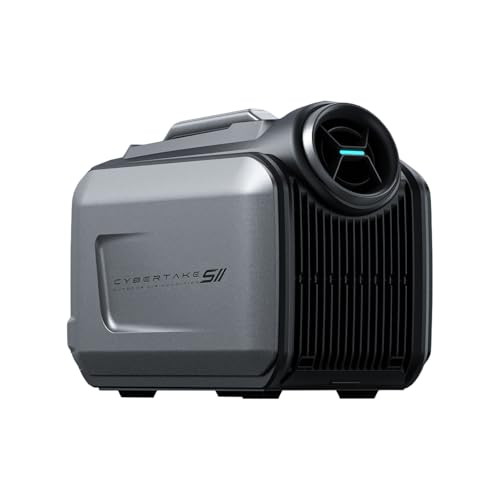
Powerful cooling and heating capacities target spaces up to about 130 square feet. The unit offers 4 modes—Cool, Heat, Dehumidify, and Eco+—with 3 adjustable fan speeds and a 0-12 hour timer. It supports AC wall outlets, 12V/24V DC in cars or RVs, and DC power from portable stations, broadening usable scenarios for camping, RV trips, boats, or cabins. Eco+ mode emphasizes energy efficiency, using as little as 1 kWh per 8 hours, which helps when you are off-grid. The device is designed for quiet operation and precise temperature control to maintain comfort without overwhelming noise.
CYBERTAKE 3-in-1 Portable AC, Dehumidifier & Fan

This compact unit delivers 3300 BTU cooling powered by a high-efficiency 48V compressor and smart inverter algorithm, supporting several power options including AC, DC, portable stations, and car chargers. Sleep mode runs quietly for extended periods, with a target of up to 10 hours of cooling on 1 kWh. A 90-degree adjustable vent helps direct airflow precisely where needed, which is especially useful for tents, small RVs, or intimate sleeping areas.
5200BTU Bancol Tent Portable AC

With up to 5200 BTU of cooling, Bancol’s unit is designed for efficiency in camping and mobile environments. It claims a broad cooling range and a compact footprint, weighing around 33 pounds with a handle for portability. Features include a remote control and a 24-hour timer for automatic shutoff, plus multiple operating modes—Cool, Dry, Sleep, and Fan. The unit aims to balance strong cooling performance with energy-conscious operation for field use in tents, trucks, RVs, or small cabins.
OUTOHOME 5200BTU Camping AC
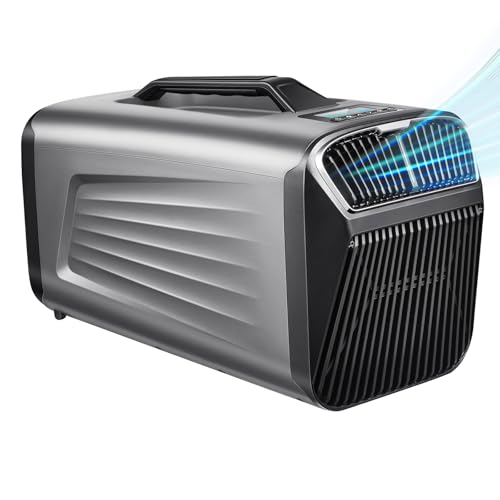
Outohome’s tent-friendly cooling unit offers 5200 BTU with a compact form factor and a power draw under 400W. It emphasizes portability for camping scenarios and can double as a solution for semi-permanent setups like RVs or small rooms during trips. The unit supports various usage contexts, from tents to pet houses, and is marketed for easy transport and setup on outdoor adventures, while maintaining a comfortable indoor-like climate in tight spaces.
EnjoyCool Portable AC For Camping
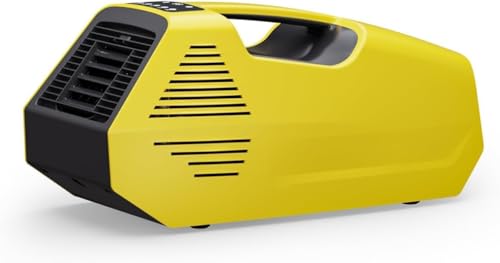
EnjoyCool focuses on ultra-lightweight cooling with a compact 2380 BTU capacity, suitable for very small spaces like mini tents or compact camping nooks. It includes a built-in display and four operation modes, plus multiple fan speeds. This unit is ideal for travelers seeking a lightweight, space-saving option that still delivers measurable cooling for personal comfort in hot conditions.
Buying Guide: Key Purchase Considerations And Comparisons
- Cooling Capacity vs. Space: For tents around 120–150 sq ft, units in the 5100–5200 BTU range are typically effective, while smaller tents may perform well with 2300–3300 BTU options. Always match BTU to your space and climate expectations.
- Power Options: Models vary from AC-only to multi-source power (DC, car outlets, portable power stations). If you camp off-grid, prioritize units with DC compatibility or battery-ready configurations.
- Noise Levels: Quiet operation is crucial for sleep and comfort. Look for features like Sleep/Eco modes with decibel ratings (often 38–46 dB for tent-friendly units).
- Portability and Setup: Consider weight, handles, and included hoses/adapters. A full accessory kit can simplify installation in a tent or off-road vehicle.
- Energy Efficiency: Eco+ or smart inverter modes reduce energy use, extending run times on portable power sources. Check efficiency figures like kWh per 8 hours of operation.
- Versatility: Dehumidify, dry, and fan modes add value in variable climates. A 0–12 hour timer helps manage usage and battery life.
- Durability and Warranty: Outdoor-use devices benefit from rugged housings and reliable warranties. Check coverage for off-grid or salt-air environments if relevant.
- Installation Footprint: Ensure hoses, exhaust routing, and vent directions suit your tent or shelter layout. Some units ship with full accessory kits for quick setup.
When evaluating options, consider your typical camping scenario: season, tent size, proximity to power sources, and whether you want a single all-season unit or a lighter, occasional-use option. The selections above emphasize portability, multiple power options, and practical features to maintain comfortable temperatures without excessive energy use.